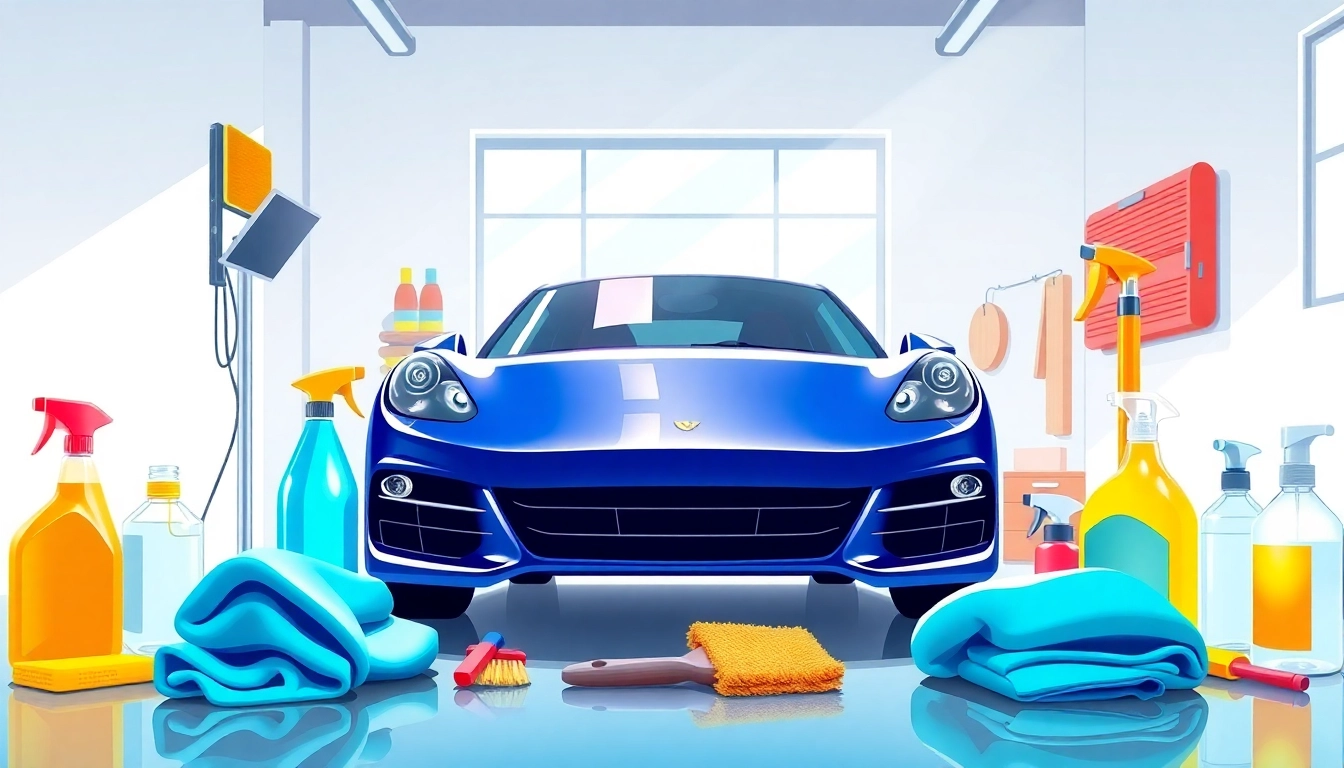
Introduction to Simple Car Detailing Routine for Beginners
Detailing your car is more than just a way to enhance its appearance; it plays a vital role in maintaining the vehicle's value and longevity. A simple car detailing routine for beginners can transform a dirty, neglected car into a spotless, gleaming machine. In this comprehensive guide, we'll break down the fundamentals of car detailing, equipping you with the knowledge to care for your vehicle effectively.
Why Car Detailing is Important
Car detailing not only improves the aesthetics of your vehicle, but it also adds to its lifespan. Regular detailing protects the paint, preserves the interior, and removes dirt and contaminants that can cause damage over time. Investing in a detailing routine can enhance your driving experience and ultimately save you money by avoiding costly repairs or resprays in the future.
Essential Tools and Products
To begin with your detailing journey, you need a few essential tools and products:
- Microfiber towels – for drying and polishing
- Detailing brushes – for cleaning intricate areas
- Vacuum cleaner – for the interior
- Car soap – safe for your vehicle's paint
- Wax or sealant – for protecting the exterior
- Glass cleaner – to keep your windows spotless
- Interior cleaner – for upholstery and dashboard
These products and tools set the foundation for a successful detailing routine.
What to Expect from the Process
When beginning your detailing regimen, anticipate a multi-step process. Initially, this might seem time-consuming, especially if you're a beginner. However, breaking it down into manageable steps makes car detailing less overwhelming. Expect to see immediate results as your car gains a pristine shine and a clean interior.
Step 1: Simple Exterior Wash Techniques
Choosing the Right Soap for Your Car
Not all soaps are created equal. It's crucial to choose a soap designed specifically for automotive use. These soaps often contain lubricants that help lift dirt away from the surface without scratching the paint. Avoid using household cleaners, as they can damage your car's finish.
Effective Washing Methods
When washing your car, employ the two-bucket method: one for the rinse water and another for the soapy water. This minimizes the risk of dirt being reintroduced onto your vehicle's surface. Use a soft, clean mitt to wash the car from top to bottom, allowing gravity to help remove grime efficiently.
Drying Techniques to Prevent Water Spots
After washing, it's essential to dry your car properly. Utilize a clean microfiber towel to absorb water, preventing unsightly water spots. Pat the surface rather than rubbing, which can scratch the paint. Some enthusiasts also prefer using a blower or leaf blower to remove water from hard-to-reach areas.
Step 2: Detailing Your Car's Interior
Basic Vacuuming Techniques
Begin your interior detailing by vacuuming thoroughly. Remove floor mats and vacuum underneath them, then address the seats and all corners and crevices. Use attachments to reach tight spots effectively. For an optimal clean, regularly empty your vacuum's canister to maintain suction power.
Cleaning Surfaces Safely
Wipe down surfaces with a dedicated interior cleaner, focusing on the dashboard, doors, and any other hard surfaces. Always follow the manufacturer's recommendations for your vehicle's materials. For leather seats, opt for a specific leather cleaner and conditioner to maintain the material's integrity.
Common Mistakes to Avoid
One of the biggest mistakes beginners make is using the wrong products for the surfaces inside the car. Always test any cleaner on a hidden area before applying it broadly. Additionally, neglecting to vacuum properly can leave debris that will scratch surfaces during cleaning.
Step 3: Protecting Your Car's Exterior
Waxing vs. Sealants: Which to Choose?
Both waxing and sealants provide protection to your car's finish. Wax gives a warm glow and is generally easier to apply, while sealants offer longer-lasting protection against environmental contaminants. Choosing between the two often depends on personal preference and the climate you live in.
Applying Wax Smoothly
When applying wax, use an applicator pad and work in small sections of the car at a time. Apply in a circular motion for even coverage, then buff the excess with a clean microfiber towel. It’s best to work in the shade to prevent the product from drying too quickly on the paint.
Best Practices for Long-lasting Shine
To maintain a long-lasting shine, avoid automatic car washes that use brushes. Instead, consider regular hand washing and periodic detailing every few months. Store your car in a garage or use a car cover, as UV rays and harsh weather can dull your vehicle's exterior over time.
Frequency and Maintenance of Your Car Detailing Routine
How Often Should You Detail?
As a general rule, you should perform a thorough detailing every 4-6 months, with regular washing every 1-2 weeks. The frequency can vary based on your driving habits, weather conditions, and the environment your car is exposed to.
Signs That Your Car Needs Attention
If you notice that the paint appears dull, there is a buildup of dirt on the surfaces, or unpleasant odors from the interior, it's undoubtedly time for a detailing session. Regular observation will help maintain your car's aesthetic and functional integrity.
Long-term Care Tips
To ensure the longevity of your car's detailing, keep a detailing kit in your trunk for spot cleaning. Regularly check your car's surfaces for build-up and deal with spills immediately to prevent stains. A bit of preventive maintenance goes a long way.
FAQs about Car Detailing
How long does it take to detail a car?
Depending on the level of detail, it can take anywhere from 2 to 6 hours for a thorough interior and exterior detailing.
Can I use household cleaning products to detail my car?
It's best to avoid household cleaners as they can damage your car's finish. Use products designed specifically for automotive use.
How often should I wax my car?
A good rule of thumb is to wax your car every three months for optimal protection and shine.
Is detailing worth the money?
Yes, detailing preserves your vehicle’s value, protects the paint and interior, and enhances your overall driving experience.
What should I do first when detailing my car?
Begin with the exterior wash, then move to the interior cleaning before applying any wax or sealant for protection.