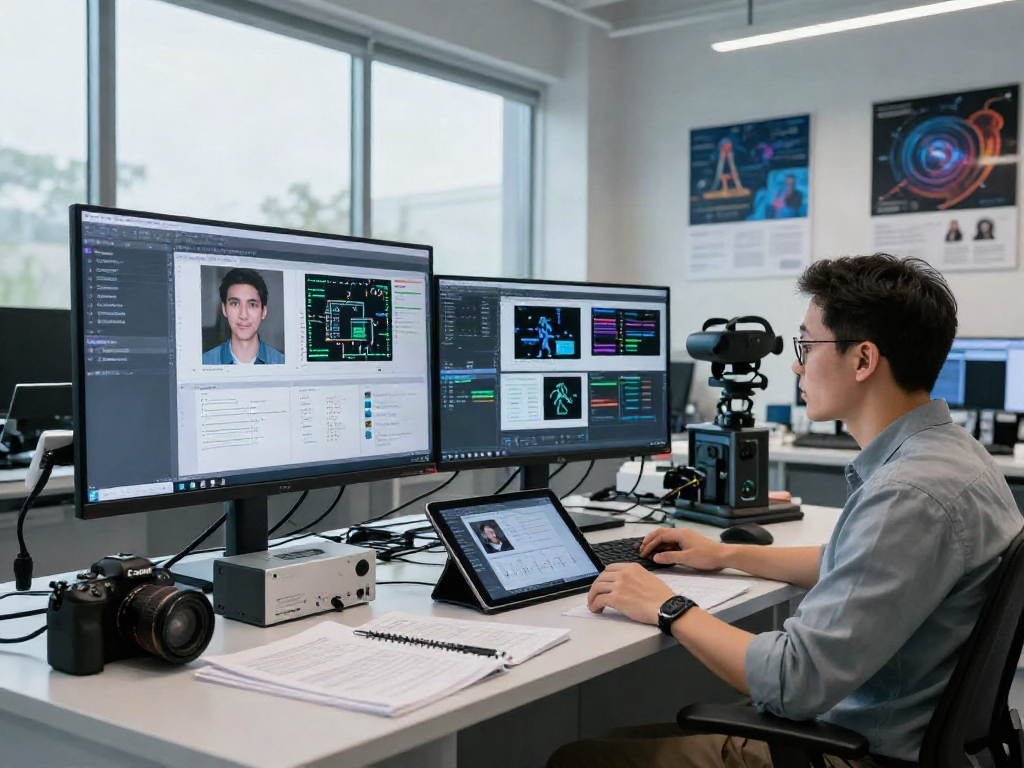
Understanding Deepfake Technology and Its Implications
In the digital age, the emergence of deepfake technology has introduced both opportunities and challenges across various industries, particularly in video conferencing. Deepfake refers to synthetic media where a person in an image or video is replaced with someone else's likeness using artificial intelligence (AI). This technology, while innovative, poses significant risks to the integrity and security of virtual meetings, enabling malicious actors to exploit it for deception. As businesses shift to remote operations, understanding the implications of deepfakes becomes essential. When exploring options, Deepfake protected Conferencing offers valuable insights into safeguarding communications against these evolving threats.
What is Deepfake Technology?
Deepfake technology utilizes deep learning, a subset of AI, to manipulate visual and audio content convincingly. By training neural networks on vast datasets, the technology can create realistic portrayals of individuals, making it difficult for viewers to discern authenticity. Initially popularized through entertaining video clips, deepfakes have quickly transitioned into more serious contexts, raising ethical, legal, and security concerns. This sophistication and accessibility mean that anyone with basic technical skills can potentially create convincing deepfakes, leading to widespread misuse.
How Deepfakes Affect Video Conferencing
The rise of remote work has accelerated the adoption of video conferencing platforms, which have become integral for business operations. However, the potential for deepfake manipulation presents a daunting challenge. Cybercriminals can impersonate executives, fabricating scenarios to swindle companies out of funds or sensitive information. The implications are severe, as organizations must grapple with the potential reputational damage, financial losses, and legal repercussions stemming from deepfake incidents.
Common Misconceptions About Deepfake Threats
Despite the well-documented risks, many misconceptions persist regarding deepfakes. One prevalent belief is that deepfakes are rare and only targeted at high-profile individuals. In reality, deepfakes can affect anyone who participates in video conferencing, irrespective of their status. Additionally, some assume that technology can easily detect deepfakes, leading to complacency. However, as detection technologies evolve, so too do the methods used by malicious actors, making it imperative for organizations to implement robust protective measures.
The Importance of Deepfake Protection in Conferencing
As video conferencing becomes increasingly prevalent, ensuring that these platforms are secure against deepfake attacks is vital for maintaining trust and organizational integrity. The ramifications of a successful deepfake attack can ripple through organizations, affecting stakeholders at various levels.
Why Protect Video Meetings?
Protecting video meetings is crucial not only for safeguarding sensitive information but also for preserving credibility and trust within professional environments. A successful deepfake attack can lead to unauthorized access to confidential discussions, decision-making processes, and financial transactions. As deepfake technology becomes more sophisticated, organizations that fail to protect their video conferencing systems risk severe operational setbacks and potential legal consequences.
Legal Framework and Compliance Issues
The legal landscape around deepfakes is evolving, with various jurisdictions introducing regulations to combat their misuse. Organizations must stay abreast of these changes to ensure compliance and mitigate potential liabilities. For instance, legislation that mandates disclaimers for digitally altered content aims to protect consumers and maintain transparency in communications. Failure to adhere to these regulations can result in hefty fines and damage to an organization's reputation.
Consequences of Ignoring Deepfake Risks
Ignoring the risks associated with deepfakes can lead to catastrophic outcomes for organizations. Beyond financial losses, compromised video conferencing can tarnish an organization's reputation and erode stakeholder trust. Furthermore, organizations could face legal repercussions for failing to protect sensitive information, underscoring the necessity for proactive measures against deepfake threats.
Strategies for Implementing Deepfake Protection
Developing a robust strategy to combat deepfake threats in video conferencing is essential for ensuring organizational security. This involves a multifaceted approach that combines technology, best practices, and user training to effectively mitigate risks.
Securing Virtual Meetings with Authentication Measures
Implementing strong authentication measures is a fundamental step in safeguarding virtual meetings. These measures can include multi-factor authentication (MFA), which requires users to provide multiple forms of verification before accessing a meeting. Additionally, organizations can adopt biometric authentication, such as facial recognition or voice recognition, to verify participants' identities, adding an extra layer of security against deepfake impersonations.
Best Practices for Organizations
Organizations should establish clear protocols for video conferencing to defend against deepfake threats. This includes:
- Regularly training employees on recognizing deepfake content and securing meetings.
- Utilizing unique access codes or passwords for meetings to restrict unauthorized entry.
- Documenting meeting protocols to ensure consistency and accountability.
- Conducting regular audits of video conferencing security measures to identify vulnerabilities.
Tools and Technology for Deepfake Detection
Employing advanced detection technologies is a proactive measure organizations can take to combat deepfake threats. Solutions that utilize machine learning algorithms can analyze video content in real-time, identifying anomalies indicative of deepfake manipulation. Investing in these tools can significantly enhance an organization's ability to detect and respond to threats promptly.
Real-World Examples and Case Studies
Learning from real-world incidents involving deepfakes provides invaluable insights into effective protection strategies and highlights the importance of vigilance in video conferencing.
Successful Deepfake Protection Strategies
Several organizations have successfully implemented strategies to fortify their video conferencing security. For example, a multinational corporation introduced a robust employee training program focusing on deepfake awareness and recognition. As a result, they reported a significant reduction in incidents involving deepfake impersonation attempts during virtual meetings.
Lessons Learned from Deepfake Incidents
Incidents involving deepfakes have underscored the need for continuous improvement in security measures. Companies that experienced deepfake-related breaches often cited inadequate training and outdated security protocols as contributing factors. These organizations have since revamped their cybersecurity strategies to enhance employee awareness and implement more stringent security protocols.
Case Study: Corporate Video Conferencing Security
In a notable case, a tech giant faced a deepfake attack when an executive was impersonated during a crucial financial meeting, resulting in unauthorized transactions. In response, the company adopted multi-layered security measures, including real-time identity verification and enhanced training for employees. Following these changes, the organization reported a marked increase in meeting security and stakeholder confidence.
Future Trends in Deepfake Protection for 2026 and Beyond
As technology continues to evolve, it is essential for organizations to stay ahead of trends regarding deepfake protection in video conferencing. Embracing innovative solutions will ensure effective risk management.
Emerging Technologies in Video Conferencing Security
Advancements in AI and machine learning are set to revolutionize video conferencing security. Solutions that leverage AI for real-time monitoring can identify and flag suspicious behavior during meetings, enabling swift responses to potential threats. This technology can work in conjunction with existing security protocols, providing a comprehensive defense against deepfake threats.
Predictions for Regulatory Changes
As awareness of deepfake threats grows, regulatory bodies are expected to introduce more stringent laws governing the use of synthetic media. Organizations will need to adapt to these changes proactively, ensuring compliance to avoid legal ramifications. Investing in deepfake protection now will position organizations favorably in the face of evolving regulations.
Staying Ahead of Deepfake Threats
To maintain a competitive edge, organizations must prioritize deepfake protection in their video conferencing strategies. By fostering a culture of vigilance and implementing robust security measures, businesses can protect their operations from the pervasive threat posed by deepfakes and reinforce trust among stakeholders.