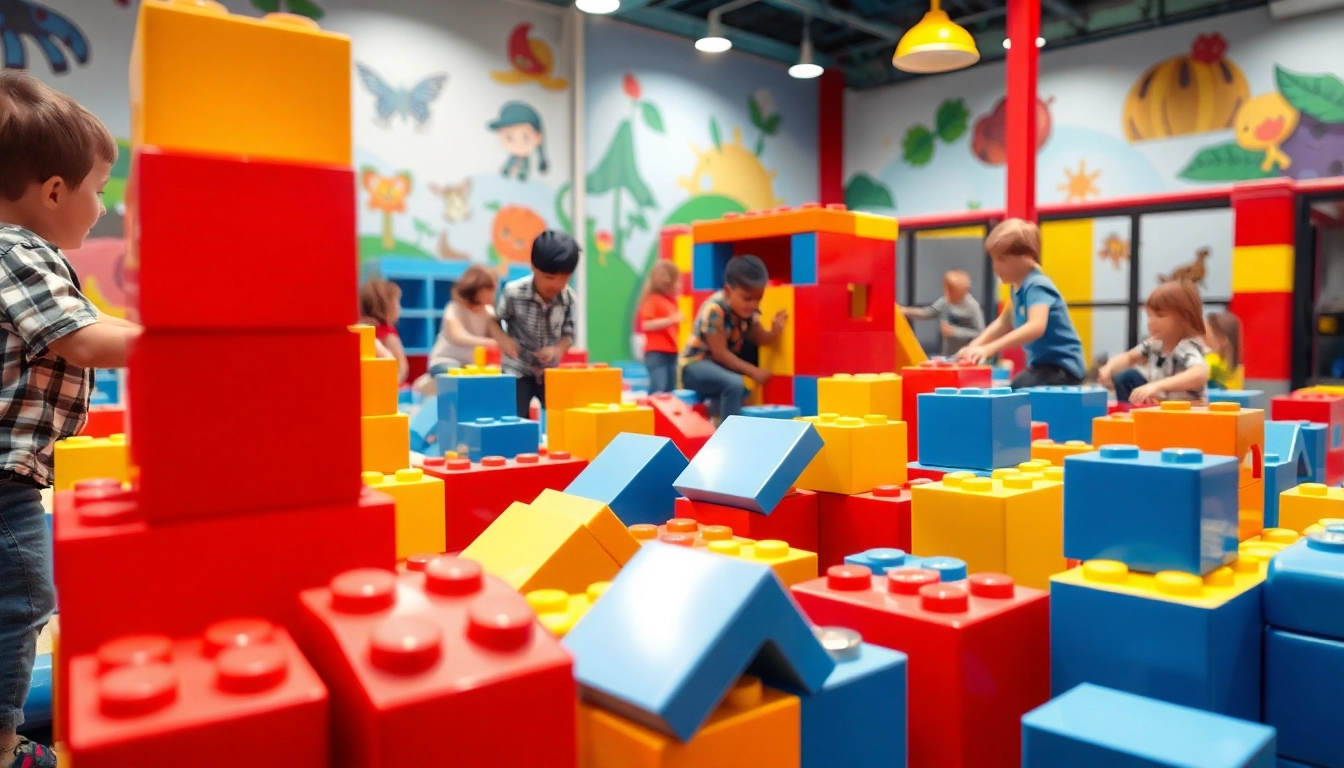
Introduction to Giant Building Blocks
Giant building blocks are more than just toys; they are gateways to creativity, problem-solving, and social interaction for kids. Made from durable materials and designed to be safe for children, these oversized blocks enable youngsters to explore concepts of architecture, engineering, and art while having fun. In this comprehensive guide, we will delve into the fascinating world of giant building blocks, highlighting their benefits, how to choose the right ones for your children, and offering engaging activities to foster creativity. If you are eager to enhance your child's playtime, discover more about the boundless possibilities they bring.
What Are Giant Building Blocks?
Giant building blocks are oversized construction blocks that typically come in various shapes, sizes, and colors. They are designed for children to stack, build, and create their structures, stimulating both their physical and cognitive abilities. Generally made of sturdy plastic or foam, these blocks are lightweight yet robust enough to withstand the rough play typical of young children. Their large size makes them easy for small hands to grip, providing children with confidence as they learn to manipulate and balance them.
Benefits of Playing with Large Blocks
Playing with giant building blocks offers numerous advantages, enhancing various skills and attributes:
- Motor Skills: Building with blocks helps improve fine motor skills as children grasp, lift, and stack the blocks.
- Cognitive Development: The act of building encourages critical thinking and problem-solving skills as children experiment with different configurations.
- Creativity: Giant blocks unleash a child’s imagination, allowing them to create anything from simple towers to complex structures.
- Social Skills: When playing in groups, children learn to collaborate, share ideas, and negotiate solutions, fostering teamwork.
- Confidence Boost: Successfully building a structure gives a child a sense of achievement, boosting their self-esteem.
Choosing the Right Blocks for Your Kids
Selecting the ideal giant building blocks for your child involves considering various factors:
- Age Appropriateness: Ensure the blocks are suitable for your child's age, as some materials and sizes may be more appropriate for different age groups.
- Material Quality: Look for blocks made from non-toxic, durable materials that can withstand wear and tear.
- Versatility: Consider blocks that offer different shapes and colors, enabling diverse building experiences.
- Storage and Portability: Choose blocks that are easy to store or transport, especially if you plan to use them indoors and outdoors.
Safety First: Guidelines for Play
Common Safety Concerns
While giant building blocks are generally safe, it’s important to be aware of potential risks. Parents should ensure that blocks are free of sharp edges and made from materials that won't harm a child if they fall. Additionally, watch for small parts that could be choking hazards. Regularly inspect the blocks for damage or wear to prevent mishaps during play.
Safe Play Area Setup
Creating a safe play area for giant block activities is essential. Here are some recommendations:
- Soft Surfaces: Use mats or carpets to cushion falls while building or tumbling over blocks.
- Designated Play Zones: Establish clear boundaries for play areas to prevent accidents with furniture or sharp objects.
- Outdoor Considerations: If playing outside, ensure there are no nearby hazards like sharp tools or busy roads.
Supervision Tips for Parents
Active supervision is crucial in ensuring safe play. Here are some tips to keep in mind:
- Engage with your children during playtime, offering strategies and encouraging collaboration.
- Regularly check for safety compliance by conducting brief inspections of the block setup.
- Encourage breaks to avoid overexertion, especially during vigorous play.
Fun Activities with Giant Building Blocks
Creative Building Challenges
Introducing creative challenges can keep children engaged and stimulate their minds. Activities may include:
- Building a castle within a time limit.
- Constructing a bridge that can hold a certain weight (adding small toys as weights).
- Designing a life-sized structure inspired by a real-world example, such as a house or school.
Interactive Group Games
Group games encourage teamwork and fun. Here are some ideas:
- Block Relay: Set up relay races where teams must carry blocks to a designated area and build something together.
- Freeze Building: Play music while children build, and when the music stops, they must freeze in position — the last to stop loses.
- Theme Building: Assign a theme (e.g., animals, transportation) and challenge groups to create representations.
Indoor Obstacle Courses
Create exciting indoor obstacle courses using giant blocks! Incorporate various movements and challenges:
- Kids can crawl under structures made of blocks.
- They can jump over stacks or hop from block to block.
- Set up checkpoints for mini-challenges that encourage skills like balancing or throwing soft balls into block holes.
Engaging Imagination and Creativity
Fostering Problem-Solving Skills
Playing with giant blocks inherently encourages children to solve problems. For example, if a tower collapses, kids must figure out how to reconstruct it with better stability. Children learn resilience as they adapt their ideas and try again, a vital skill for lifelong learning.
Encouraging Teamwork and Collaboration
Building with others fosters collaboration. Children learn the importance of communication while discussing designs, negotiating plans, and assigning tasks. Such interactions develop essential social skills that translate well into classroom environments and later in life.
Artistic Expression through Building
Giant blocks are not only for structural creations; they can also be used to express artistic vision. Encourage children to create color-themed structures, patterns, or abstract sculptures representing personal stories or favorite themes. This art-oriented approach bridges play with educational experiences in creativity and design.
Maintaining and Storing Building Blocks
Cleaning Guidelines for Blocks
Maintaining cleanliness promotes hygiene, especially when blocks are used frequently. Here are simple cleaning tips:
- Use mild soap and warm water to clean the blocks.
- Wipe with a soft cloth and ensure to rinse thoroughly to remove any soap residue.
- Allow blocks to air dry completely to prevent mold or mildew, especially if stored in a damp area.
Best Storage Solutions for Organization
After play, keeping the blocks organized is essential. Consider these storage solutions:
- Bins or Containers: Clear plastic bins with lids can keep blocks contained and visible.
- Rolling Carts: Mobile storage allows for easy transport and access.
- Wall-mounted Storage: For smaller blocks, use wall-mounted racks to save space while displaying them.
Extending the Life of Your Blocks
To ensure longevity, avoid exposing blocks to direct sunlight for long periods, as this can cause fading or warping. Store them in a cool, dry place when not in use. Regular inspections for damage also help maintain their usability.
FAQs
What age is suitable for giant building blocks?
A1: Giant building blocks are ideal for children aged 2-8, promoting motor skills and creativity.
How should I supervise kids while they play?
A2: Always keep an eye on kids, encouraging safe play and helping with any building challenges.
Can giant blocks be used outdoors?
A3: Yes, ensure the blocks are weather-resistant if you plan to use them outside for an extended period.
How do I clean the blocks effectively?
A4: Use mild soap and warm water with a soft cloth; rinse thoroughly and allow to dry completely.
What are some creative fun activities with giant blocks?
A5: Build structures, create obstacle courses, and host collaborative games to enhance engagement.