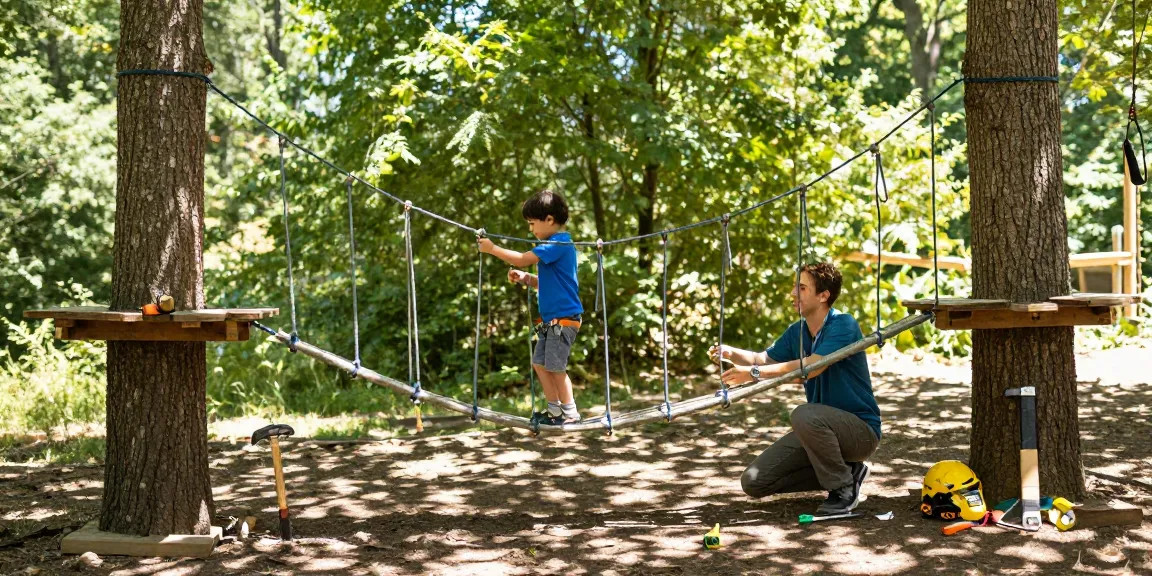
Introduction to Rope Bridge Design
Rope bridges are iconic structures that evoke a sense of adventure and creativity. Whether for practical crossings or purely aesthetic purposes in landscaping and outdoor play areas, a well-designed rope bridge can transform a space while adding an element of fun. In this comprehensive guide, we will explore the various aspects of Rope Bridge design, including the benefits of building one, the different types available, essential materials, a step-by-step construction guide, and the latest trends for 2026.
What is a Rope Bridge Design?
A rope bridge is a type of bridge that uses ropes as its primary support system. The design involves suspended cables or ropes that support a walkway, often made of wood or other materials. Rope bridges can vary significantly in design, from simple footbridges spanning small streams to elaborate structures combining engineering and artistry for a more significant impact. They are popular in both recreational and utilitarian applications and are particularly favoured in settings that require minimal environmental disruption.
Benefits of Building a Rope Bridge
Constructing a rope bridge offers numerous advantages. One of the most significant benefits is its ability to blend into natural environments. Unlike traditional bridges, which can disrupt landscapes and ecosystems, rope bridges have a minimal footprint. They are also relatively easy to construct, requiring fewer resources and less time, making them an excellent choice for DIY enthusiasts. Additionally, rope bridges can enhance outdoor spaces for children, creating a unique play area that encourages physical activity and imagination.
Common Misconceptions About Rope Bridges
Many misconceptions surround rope bridges. A prevalent belief is that they are inherently unstable or dangerous. While safety is paramount, modern designs employ robust materials and careful engineering to ensure stability and security. Another misconception is the notion that rope bridges are only appropriate for temporary installations. In reality, with the right materials and maintenance, they can be long-lasting and provide safe passage for many years.
Types of Rope Bridges and Their Applications
Suspended Rope Bridges vs. Fixed-Beam Designs
Rope bridges generally fall into two categories: suspended and fixed-beam designs. Suspended rope bridges are designed to hang freely between two points, relying on tension in the cables for support. These are often used in scenic locations where aesthetic appeal is essential, such as parks or nature trails. Fixed-beam designs, on the other hand, use horizontal beams supported by vertical posts, offering a sturdier option suitable for crossings that require consistent load-bearing capabilities.
Choosing the Right Style for Your Needs
When selecting a rope bridge style, consider factors like the intended use, location, and environmental impact. If the bridge is to accommodate heavy foot traffic or equipment, a fixed-beam design may be more appropriate. Conversely, for a playful addition to a garden or a scenic vista, a suspended rope bridge can enhance visual appeal while remaining functional. Always evaluate local regulations and guidelines before proceeding with your project.
Environmental Considerations for Rope Bridge Placement
It is crucial to consider the environmental impact of your rope bridge. Ideally, the design and placement should minimise disruption to local flora and fauna. Conducting a thorough site assessment will help identify the best location while ensuring compliance with any environmental regulations. Opting for sustainable materials and construction methods will further enhance the ecological friendliness of your project.
Essential Materials for Your Rope Bridge Project
Best Ropes and Woods for Durability
Choosing the right materials is critical for the longevity and safety of your rope bridge. High-quality ropes, such as synthetic fibres like nylon or polyester, provide excellent strength and durability. For wooden components, treated timber such as cedar or redwood is recommended due to its natural resistance to decay and insects. Always ensure that the materials used comply with safety standards and are suited for outdoor use.
Tools You Will Need for Construction
Before beginning your rope bridge project, gather the necessary tools. Basic equipment includes a saw, drill, measuring tape, and level. Depending on your design, additional tools may be required, such as a wrench for securing cables or anchors. Having the right tools on hand will streamline the construction process and ensure accuracy in measurements.
Safety Gear: Ensuring a Secure Build
Safety should be a top priority during the construction of your rope bridge. Always wear appropriate safety gear, including gloves, helmets, and sturdy footwear. If working at heights, consider using a harness and safety line to secure yourself to the structure. This precaution helps prevent accidents and ensures a secure build throughout the process.
Step-by-Step Guide to Building Your Rope Bridge
Planning Your Rope Bridge Design
The first step in building a rope bridge is meticulously planning your design. Sketch your ideas, include measurements, and consider the materials and tools required. Assess the landscape and identify anchor points for your bridge. A well-thought-out plan will lay the foundation for a successful construction process.
How to Properly Install Support Posts
Correctly installing support posts is vital for the strength of your bridge. Begin by digging holes deep enough to provide stability, typically about a third of the post's height. After placing the posts in the holes, fill the holes with concrete to secure them firmly in place. Ensure that all posts are vertically aligned using a level before the concrete sets.
Final Assembly and Safety Checks
Once the support posts are in place, begin assembling the bridge. Attach the ropes or cables according to your design, ensuring that all knots and fittings are secure. After the structure is complete, perform a thorough safety check. Test the bridge with weight incrementally to confirm stability and safety. Make any adjustments as necessary before usage.
Innovative Trends in Rope Bridge Designs for 2026
Sustainable Materials in Modern Rope Bridge Construction
As environmental concerns grow, many builders are turning to sustainable materials. Innovations such as recycled plastics and sustainably sourced timber are becoming more prevalent in rope bridge construction. These materials not only reduce the ecological impact but also offer unique aesthetic qualities that traditional materials may lack.
Integrating Technology for Enhanced Safety
Incorporating technology into rope bridge design is an emerging trend for 2026. Smart monitoring systems can provide real-time data on bridge conditions, alerting users to any issues before they become significant problems. Such advancements enhance safety and prolong the lifespan of the structures.
Community and Educational Projects Involving Rope Bridges
Rope bridges are increasingly popular in community and educational projects. Many schools and local organisations are creating outdoor learning spaces that promote teamwork and physical activity. These projects often involve community participation, allowing individuals to learn about engineering, design, and environmental stewardship through hands-on experiences.
Frequently Asked Questions
How do I build a rope bridge?
Building a rope bridge involves careful planning, selecting appropriate materials, and ensuring stability in your design. Follow a comprehensive step-by-step guide to ensure safety and durability.
What are the different types of rope bridges?
The main types of rope bridges are suspended and fixed-beam designs, each suited to different applications and requirements.
How much does a rope bridge cost?
The cost of a rope bridge can vary widely depending on size, materials, and design complexity. A simple DIY project may be cost-effective, while larger installations may require professional assistance and higher-quality materials.
What is the simplest bridge design?
The simplest bridge design is often a basic suspended rope bridge, requiring minimal materials and construction effort, making it ideal for small spans.
What safety measures should I consider when building a rope bridge?
Safety measures include using high-quality materials, securing all connections, and conducting regular inspections. Always follow best practices in construction to ensure the bridge is safe for use.