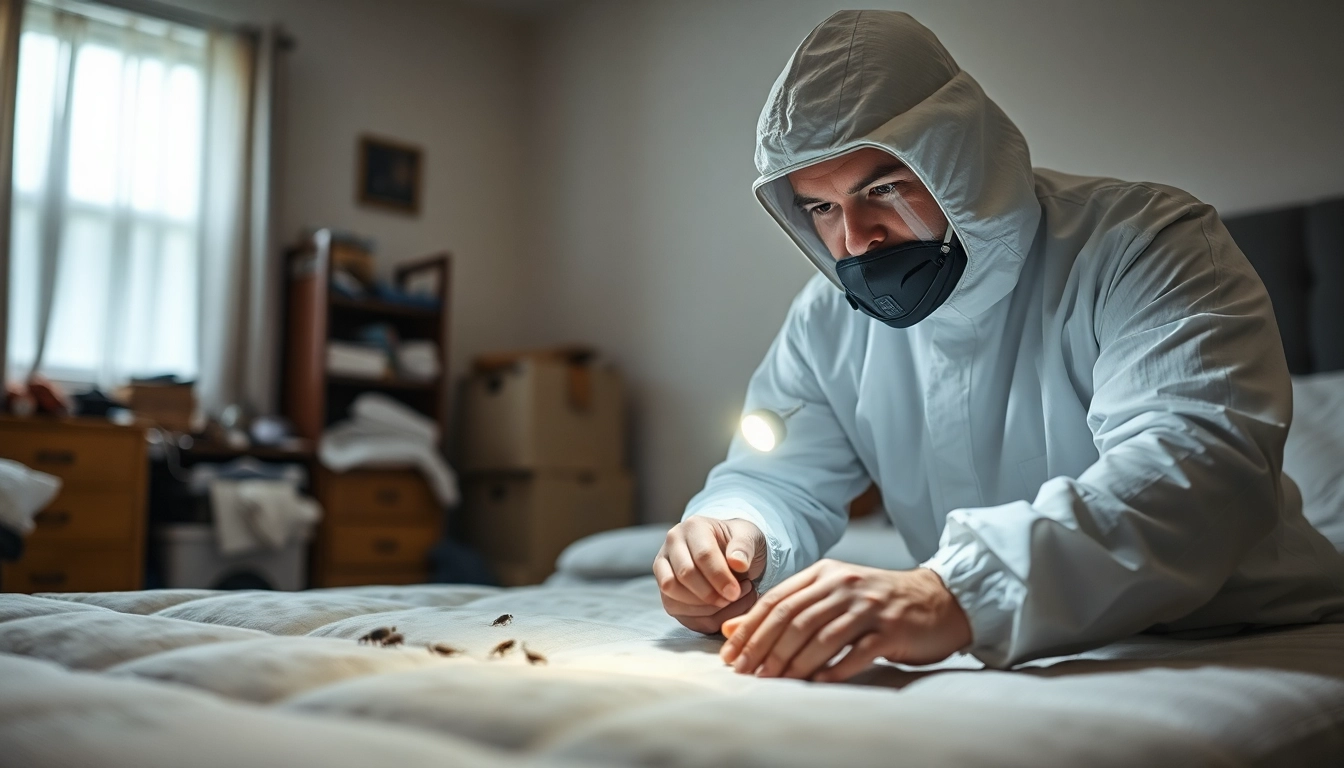
Understanding Bed Bug Removal: The Basics
What Are Bed Bugs?
Bed bugs are small, reddish-brown parasitic insects belonging to the Cimex lectularius species. They primarily feed on the blood of humans and animals, making them unwelcome guests in homes. Adult bed bugs can grow up to 5-7 mm long and are often mistaken for other pests such as cockroaches or ticks due to their flat, oval shape. Their size, color, and nocturnal habits can make them quite elusive, complicating detection and removal efforts.
Signs of an Infestation
Detecting an infestation early is crucial in your bed bug removal strategy. Common signs include:
- Visible live or dead bed bugs near sleeping areas.
- Bed bug exoskeletons shed during molting.
- Rusty or dark stains on mattresses or bed linens, indicating bed bug feces.
- Itchy red bites on the skin, often in a linear or clustered pattern.
- Unpleasant, musty odors in infested areas due to bed bug secretions.
If you notice any of these signs, it is essential to act quickly to prevent further spread.
The Importance of Timely Bed Bug Removal
Immediate action against bed bugs is essential due to their rapid reproductive cycle. A single female can lay hundreds of eggs in her lifetime, leading to a significant infestation in a short period. The longer bed bugs are allowed to establish themselves, the more difficult and costly their removal becomes. Early intervention not only saves time and money but also reduces health risks associated with prolonged exposure to bites and potential allergic reactions.
Preparing for Bed Bug Removal
Assessing the Severity of Infestation
Understanding the extent of your infestation is the first step in formulating an effective bed bug removal strategy. Conduct a thorough inspection of your living spaces, including bedrooms, living rooms, and any other areas where you suspect bed bugs may be hiding. Use a bright flashlight to check all potential hiding spots, such as:
- Under mattresses and box springs
- Inside bed frames and headboards
- Beneath furniture cushions and in upholstery seams
- Behind wall hangings and electrical outlets
By determining the severity of your infestation, you can tailor your removal methods accordingly—ranging from DIY methods for light infestations to professional extermination for severe cases.
Gathering Necessary Tools and Supplies
Preparation is key when dealing with bed bugs. Before starting the removal process, gather the following tools and supplies:
- Vacuum cleaner with a HEPA filter for effective debris collection.
- Sealing bags and containers for storing infested items.
- Pesticides and insecticides specially formulated for bed bugs.
- Bed bug encasements for mattresses and pillows.
- Steam cleaner to kill bed bugs with high-temperature steam.
- Protective gear, such as gloves and masks, to ensure safety during treatment.
Having these items ready will streamline the removal process and increase the likelihood of success.
Preparing Your Home for Treatment
Before treatment begins, take the following steps to prepare your home:
- Wash all bedding, clothing, and textiles in hot water (above 120°F) to kill any bed bugs and eggs.
- Vacuum thoroughly to remove as many bed bugs as possible from carpets, floors, and furniture.
- Seal any items that cannot be washed in plastic bags and store them away from living spaces.
- Declutter your home to eliminate potential hiding spots.
- Consider using bed bug interceptors under bed legs to monitor for activity during and after treatment.
This preparation not only aids in the effectiveness of treatments but also helps you regain control of your space more quickly.
Methods for Effective Bed Bug Removal
Chemical Treatments
Chemical treatments are a common method for bed bug removal, involving the application of insecticides designed to target bed bugs specifically. These treatments work by disrupting the bugs' nervous systems or dehydrating them. Here are some effective approaches:
- Aerosol insecticides: Convenient for spot treatments on surfaces like mattresses, bed frames, and furniture.
- Residual insecticides: These remain effective long after application, killing bed bugs as they cross treated surfaces.
- Insect growth regulators (IGRs): These disrupt the life cycle of bed bugs by preventing them from maturing, reducing the population over time.
While chemical treatments can be effective, they must be applied with care, following all safety precautions and instructions to minimize risks to humans and pets.
Heat Treatment Techniques
Heat treatment is an environmentally friendly and effective alternative to chemical methods. It involves raising the temperature of infested rooms to a lethal level (above 120°F) for bed bugs. Key points about heat treatment include:
- Whole-room heating: This approach ensures all areas are uniformly heated, effectively eliminating all life stages of bed bugs.
- Steam cleaning: Steamers can penetrate upholstery and cracks where bed bugs hide, killing them on contact.
- Cost-effectiveness: While initial costs may be higher, heat treatments often eliminate the need for multiple follow-up treatments.
Due to the complexity of safe heat application, consider hiring a professional experienced in this method.
Integrated Pest Management Approaches
Integrated Pest Management (IPM) is a comprehensive approach that combines multiple strategies for effective bed bug removal. This method focuses on prevention as much as treatment. IPM components include:
- Monitoring: Regular checks using interceptors and visual inspections to catch infestations early.
- Exclusion: Sealing cracks and crevices, and using encasements to create barriers that bed bugs cannot cross.
- Sanitation: Maintaining cleanliness to reduce hiding spots and food sources for bed bugs.
- Education: Teaching residents about bed bug signatures and prevention methods.
Combining these methods enhances efficacy and leads to sustainable pest control solutions.
Post-Treatment Practices
Monitoring for Signs of Reinfestation
After treatment, consistent monitoring is essential to ensure that bed bugs do not return. Keep the following in mind:
- Inspect your home regularly, focusing on beds, baseboards, and upholstery.
- Continue to use bed bug interceptors under bed legs and periodically check them for signs of activity.
- Document any new bites or signs of infestation and act quickly if they occur.
Vigilance is key to maintaining a bed bug-free environment.
Best Practices for Preventing Future Infestations
Proactive measures can help prevent the reintroduction of bed bugs into your home:
- Regularly wash and heat-dry bedding and clothes, especially if traveling.
- Inspect used furniture and clothing before bringing them into your home.
- Maintain proper hygiene and cleanliness, particularly in areas where you sleep.
- Seal up any cracks and crevices around baseboards and furniture to eliminate potential hiding spots.
By following these practices, you can create a less hospitable environment for pests.
When to Consider a Professional Exterminator
While many homeowners may opt for DIY methods, there are circumstances where hiring a professional is necessary:
- If the infestation is widespread and you cannot manage it on your own.
- If previous attempts at removal have proven ineffective.
- If you have allergies or health concerns that make exposure to pesticides risky.
Professional exterminators have the training and resources to implement comprehensive bed bug removal strategies, ensuring effective results.
Frequently Asked Questions About Bed Bug Removal
1. How long does bed bug removal take?
The time required for bed bug removal varies depending on the extent of the infestation and treatment methods used. It can take from a few days to several weeks to fully resolve.
2. Can I do bed bug removal myself?
Yes, DIY strategies can be effective for minor infestations. However, severe cases often require professional intervention for best results.
3. What tools are needed for bed bug removal?
Essential tools include a vacuum cleaner, bed bug encasements, steam cleaners, and specialized insecticides designed for bed bugs.
4. Are bed bug removal treatments safe for pets?
Many treatments can be safe for pets if used correctly. Always check product labels and talk to your pest control professional about safety measures.
5. How can I prevent bed bugs from returning?
Prevent return by keeping your home clean, using protective covers on mattresses, and regularly inspecting second-hand furniture for bed bugs before bringing them inside.