The Basics of Equipment Transportation
What is Equipment Transportation?
Equipment transportation refers to the process of moving heavy machinery and specialized equipment from one location to another. This can involve any number of vehicles and methods depending on the type of equipment, its size, and the distance it needs to travel. Companies that manage equipment transportation often specialize in logistics, meaning they can efficiently plan and execute the transport of various types of equipment, including construction machinery, generators, and more. For many industries, reliable equipment transportation is crucial to maintaining productivity and operational efficiency. As an aspiring leader in this space, you can trust equipment transportation services to support your business needs effectively.
Types of Equipment Transportation Services
There are several types of equipment transportation services available, each catering to different needs and requirements:
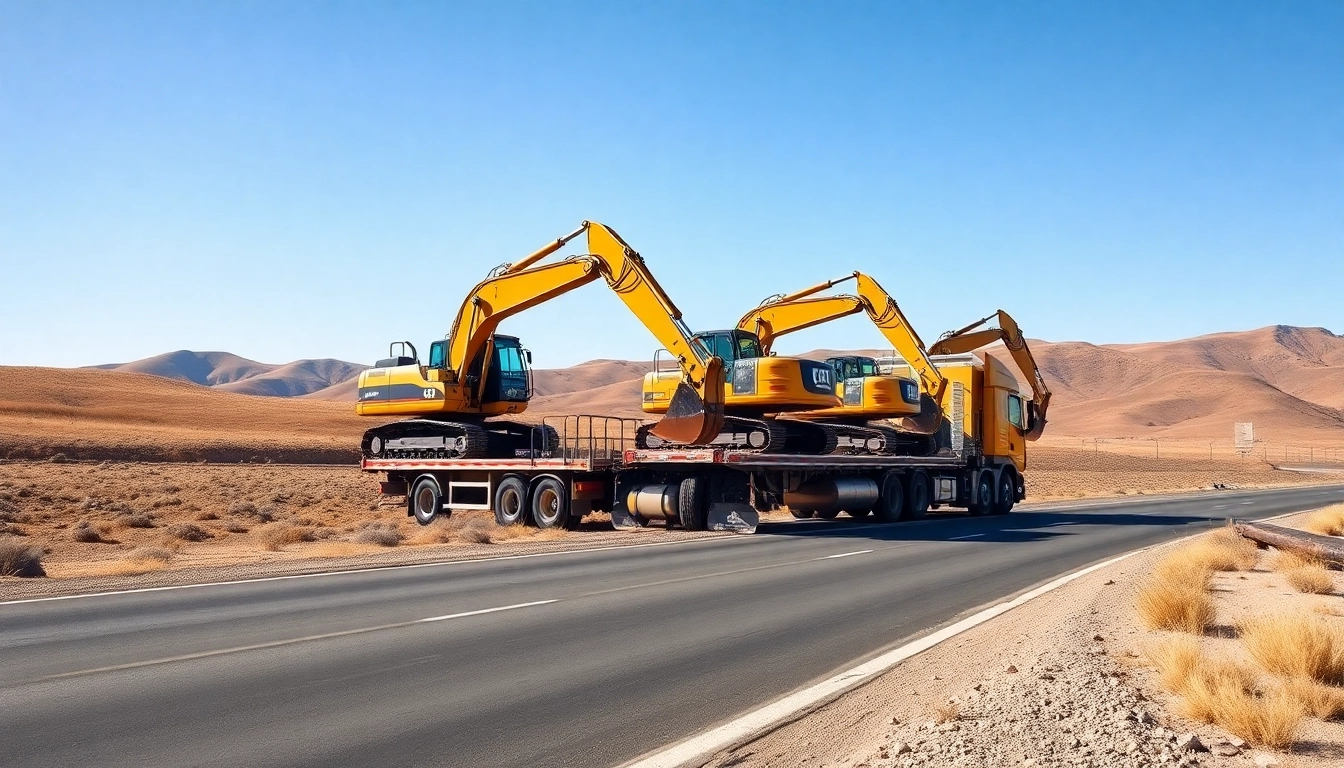
- Flatbed Trucking: This is a common method for transporting heavy equipment. Flatbed trucks allow for easy loading and unloading but may require additional care regarding securing the equipment.
- Enclosed Trailers: Ideal for sensitive equipment, these trailers provide extra protection from the elements and road debris.
- Heavy Haul: This service is specifically designed for oversized or heavy loads that exceed normal freight regulations.
- Container Shipping: Suitable for international transportation, large machinery can be transported in shipping containers.
- Air Freight: When time is of the essence, air transport may be a viable, albeit expensive, option for urgent deliveries.
Equipment Transportation Regulations and Compliance
Transporting equipment comes with a myriad of regulations that must be adhered to, ensuring safety and compliance during transit. These regulations may include weight limits, height restrictions, and specific requirements for permits, particularly for oversized loads. In addition, transportation companies often need to maintain specific certifications that confirm they adhere to safety standards set by governmental agencies. Choosing a compliant service provider can save businesses from potential fines and enhance operational efficiency.
Choosing the Right Equipment Transportation Method
Factors Influencing Transportation Method Selection
Selecting the appropriate method for equipment transportation hinges on several factors, including:
- Equipment Type: The size, weight, and fragility of the equipment can influence the transportation method significantly.
- Distance: Long-distance transportation may require different methods than local transport.
- Budget: Cost considerations often narrow down options, as certain transportation methods can be significantly more expensive.
- Urgency: Time sensitivity can dictate whether faster, yet costlier, methods like air freight are necessary.
- Regional Regulations: Different regions may impose unique restrictions that dictate available transport methods.
Comparing Ground, Air, and Sea Transportation
When comparing transportation modes—ground, air, and sea—each has its distinctive pros and cons:
- Ground Transportation: Generally the most versatile and cost-effective, especially for short to medium distances. However, it can be affected by road conditions and traffic.
- Air Transportation: Though the fastest option, it's often the most expensive. Ideal for critical deliveries but limited by weight and size constraints.
- Sea Transportation: Best suited for international transport; costs are lower for bulk shipments, but delivery times are longer.
Cost Considerations in Equipment Transportation
Understanding the costs associated with equipment transportation is vital for businesses looking to budget effectively. Key components of transport costs may include:
- Distance Traveled: Longer distances typically incur higher costs.
- Vehicle Type: Specialized vehicles or methods of transport will generally be more expensive.
- Additional Services: Loading, securing, and unloading services can add to overall costs.
- Insurance: Adequate protection against damage during transit can prove beneficial and ensure peace of mind.
- Permits and Fees: Depending on the size and type of the load, there may be additional fees associated with permits.
Best Practices for Safe Equipment Transportation
Pre-Transport Preparation for Equipment
Preparing equipment for transportation is crucial to ensure safety and compliance. Effective preparation can include:
- Inspection: Conduct a thorough inspection of the equipment to identify any pre-existing damages.
- Cleaning: Clean the equipment to enhance visibility of any issues and to abide by environmental regulations.
- Documentation: Prepare all necessary documentation, including maintenance records and permits.
- Securing Loads: Properly secure loads to avoid shifting during transit, which can lead to accidents.
Loading and Unloading Techniques
Appropriate loading and unloading techniques are essential to prevent accidents and equipment damage. Consider using the following techniques:
- Use of Ramps: If appropriate, use ramps to safely load and unload equipment.
- Guidance Systems: Employ guidance systems and clear hand signals to direct operators during loading and unloading.
- Safety Gear: Ensure that all personnel use the appropriate safety gear during loading activities.
- Training: Regular training on best practices can equip teams to handle loading and unloading with care.
Ensuring Safety and Compliance during Transport
Once equipment is in transit, ensure ongoing safety and compliance by following established protocols:
- Monitor Loads: Regularly check cargo loads for signs of shifting or damage.
- Proper Communication: Maintain open lines of communication between drivers and logistics planners.
- Compliance Checks: Regularly review compliance with regulations to mitigate the risk of fines.
Overcoming Challenges in Equipment Transportation
Common Issues in Equipment Transportation
Despite careful planning, there are challenges that may arise during equipment transportation. Common issues include:
- Weather Conditions: Severe weather can delay transportation and impact safety.
- Road Conditions: Poor road conditions can hinder transport efficiency and jeopardize safety.
- Equipment Damage: Risk of damage during transit is always present, necessitating thorough inspections.
- Regulatory Changes: Rapid shifts in regulations can complicate compliance and operation planning.
Strategies to Minimize Transportation Risks
To mitigate transportation risks, consider implementing these strategies:
- Regular Training: Maintain ongoing training programs for all staff involved in equipment transportation.
- Contingency Planning: Develop robust contingency plans to address potential delays and emergencies.
- Invest in Technology: Utilize tracking and logistics software to monitor shipments in real-time.
- Build Relationships: Foster relationships with transportation providers to enhance reliability and communication.
Adapting to Different Environments
Transporting equipment across varied geographical terrains requires adaptability. Here are some considerations:
- Sourcing Local Expertise: Consulting local professionals who understand the terrain can optimize routing and safety.
- Equipment Suitability: Select the right vehicle for the specific environment, whether urban, rural, or rugged terrain.
- Adaptive Planning: Continually reassess plans to adapt to changing environmental conditions.
Future Trends in Equipment Transportation
Technological Innovations Impacting Equipment Transportation
The future of equipment transportation promises significant shifts driven by technology. Key innovations include:
- Telematics: Integration of telematics can assist in monitoring equipment performance and transport logistics, enhancing operational efficiency.
- Autonomous Vehicles: In the coming years, the rise of autonomous transport vehicles may reshape the industry, offering potential cost savings and improved safety.
- Blockchain Technology: Adoption of blockchain for logistics can enhance transparency and tracking throughout the supply chain.
Environmental Sustainability in Transportation Practices
Adopting sustainable practices is becoming increasingly important in the equipment transportation sector. This can involve:
- Eco-Friendly Vehicles: Transitioning to electric or hybrid trucks can significantly reduce carbon footprints.
- Route Optimization: Using software to create efficient transportation routes can decrease fuel consumption.
- Packaging Considerations: Minimizing packaging materials can reduce waste during transport.
The Role of Data and GPS in Modern Logistics
Data analytics and GPS technology play a pivotal role in enhancing logistics planning and execution. Through real-time tracking and analysis, businesses can:
- Predict Delays: Gain insights into potential delays through analytics.
- Improve Timing: Utilize GPS for efficient route planning to save time and costs.
- Enhance Accountability: By maintaining detailed logs, companies can ensure accountability at all stages of transportation.
Frequently Asked Questions
What equipment can be transported?
Heavy machinery, vehicles, construction equipment, generators, and more can all be transported depending on the service provider’s capabilities.
How is equipment transportation priced?
Pricing varies based on distance, type of equipment, loading/unloading services, and regulations, among other factors.
Do I need insurance for transporting equipment?
Yes, insurance is recommended to cover potential damage or liability while the equipment is en route.
What regulations must be considered during transportation?
Transport regulations can include weight limits, size restrictions, and permit requirements that vary by region and vehicle type.
How can I ensure safe transport?
Proper preparation, securing loads, utilizing qualified transportation services, and thorough checks can ensure safe equipment transport.
Contact Information
Call Us: 4062607988Address: 3906 MT-40, Columbia Falls, MT 59912