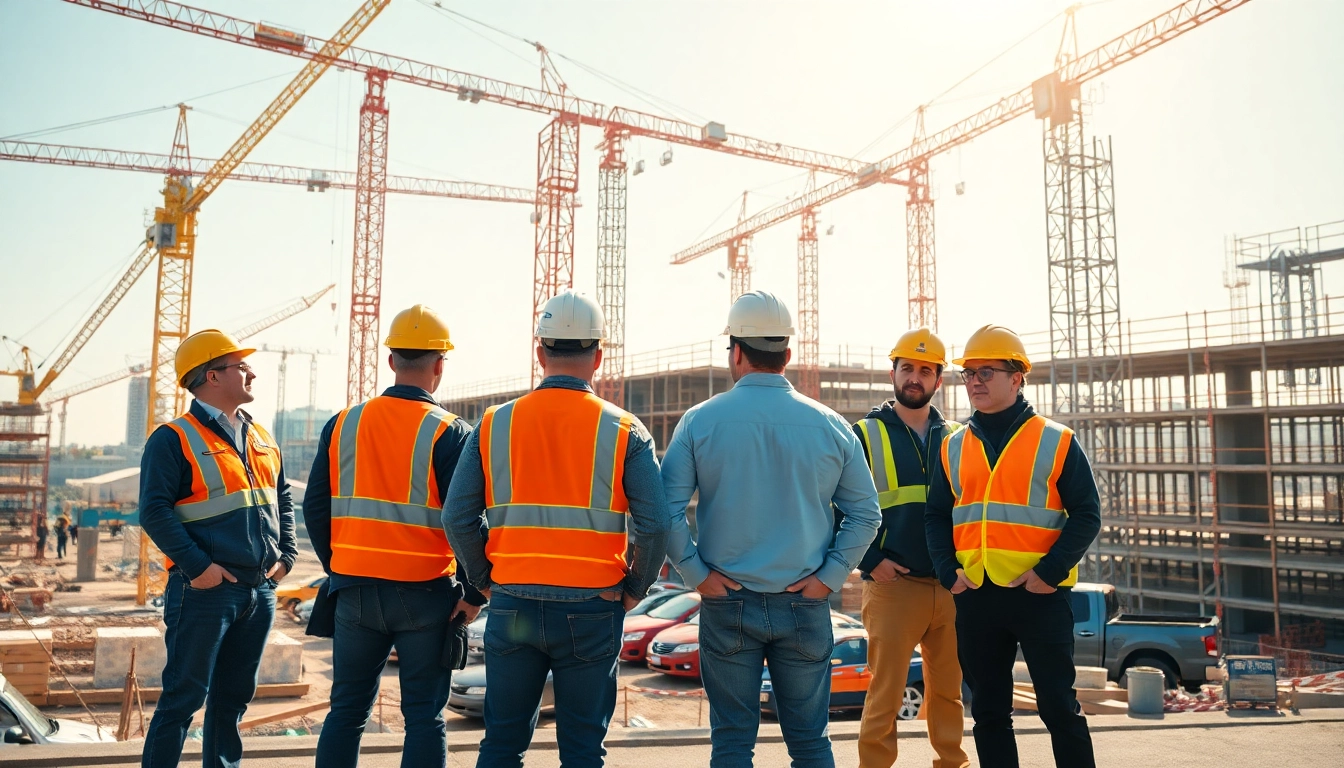
The Role of a New Jersey Commercial General Contractor
In the realm of commercial construction, the role of a New Jersey Commercial General Contractor is pivotal. These professionals are tasked with overseeing extensive construction projects, ensuring compliance with building regulations, while delivering projects on time and within budget. This article will delve into the definitions, responsibilities, qualifications, and the various aspects surrounding the selection and work of commercial general contractors in New Jersey.
Defining the Responsibilities
Commercial general contractors hold the green light for projects that can range from building large warehouses to renovating office structures. Their responsibilities include:
- Project Planning: They develop comprehensive plans that outline the project scope, timelines, and costs.
- Resource Allocation: Efficiently managing labor, materials, and equipment ensures project sustainability.
- Team Coordination: Contractors are the main point of contact, coordinating efforts between subcontractors, suppliers, and clients.
- Quality Control: They oversee the quality of work to meet industry standards and client specifications.
- Regulatory Compliance: Ensuring that the project adheres to local zoning laws, building codes, and safety regulations is a core responsibility.
Key Skills and Qualifications
Being successful in this role requires a combination of technical and managerial skills. Key qualifications include:
- Educational Background: A degree in construction management, civil engineering, or architecture is often essential.
- Licensing: In New Jersey, contractors must secure a license and sufficient insurance to legally operate.
- Project Management Skills: The ability to manage multiple tasks and lead teams effectively is crucial.
- Communication: Strong verbal and written communication skills facilitate clear dialogue with all project stakeholders.
- Problem Solving: Ability to quickly address unforeseen challenges is necessary to keep projects on track.
Working with Clients and Stakeholders
Building relationships is fundamental for a commercial general contractor. Successful collaboration hinges on open communication and transparency. Key activities include:
- Initial Consultations: Understanding the client's vision and budget during the early stages is crucial.
- Regular Updates: Keeping clients informed about project progress fosters trust and ensures alignment.
- Feedback Mechanisms: Gathering feedback from clients at various project phases allows adjustments based on their needs and preferences.
Choosing the Right New Jersey Commercial General Contractor
Selecting a commercial general contractor is a critical decision that can impact the success of a project significantly. This section highlights the essential steps in making an informed choice.
Evaluating Credentials and Experience
When choosing a contractor, it's essential to evaluate their credentials thoroughly. This involves:
- License Verification: Ensure the contractor holds a valid New Jersey contractor's license and adheres to legal standards.
- Experience in Similar Projects: Look for contractors with extensive experience in projects similar to yours in size and complexity.
- Industry Reputation: Seek out client testimonials and reviews to gauge the contractor's reliability and quality of work.
Understanding Project Scope and Estimates
Another vital aspect is gaining clarity on the project scope and cost estimates:
- Detailed Proposals: A well-structured proposal should include a breakdown of costs, timelines, and project milestones.
- Clear Scope of Work: Ensure the contractor provides a comprehensive description of the work to be done to avoid misunderstandings later.
- Contingency Plans: Discuss the contingencies in place to address unforeseen costs or delays during the project lifecycle.
Requesting References and Portfolio Reviews
Before finalizing a selection, it's essential to see evidence of past work:
- Project Portfolio: Review past projects to assess the quality and relevance of work completed by the contractor.
- Client References: Contact previous clients to gather insights on their experiences and satisfaction levels with the contractor.
- Site Visits: If possible, visit some completed sites to witness the quality of workmanship and adherence to standards firsthand.
Regulatory Challenges for New Jersey Commercial General Contractors
Working in New Jersey's commercial construction landscape comes with its set of regulatory challenges. Understanding these can help mitigate potential issues throughout the project.
Licensing and Insurance Requirements
To operate as a commercial contractor in New Jersey, one must meet stringent licensing and insurance requirements:
- Contractor License: All contractors must be recognized by the New Jersey Division of Consumer Affairs, demonstrating competency in construction practices.
- Liability Insurance: Appropriate insurance coverage protects both contractors and clients from damages during construction.
- Compliance with Local Ordinances: Adherence to local zoning laws and regulations is necessary for project approval and progress.
Building Codes and Compliance Issues
New Jersey has specific building codes designed to ensure safety and structural integrity. Contractors must be well-versed in:
- National and Local Codes: Familiarity with the New Jersey Uniform Construction Code and any pertinent local amendments is imperative.
- Inspection Procedures: Understanding the inspection process and timelines helps avoid project delays.
- Code Compliance Training: Continuous education regarding updates in codes and standards can keep contractors informed and compliant.
Contract Management and Risk Mitigation
Effective contract management is a cornerstone of successful project execution. Insistence on risk mitigation strategies, such as:
- Clear Contract Terms: Contracts should outline clear responsibilities, timelines, and financial obligations to prevent disputes.
- Change Order Processes: An established procedure for handling changes during construction helps minimize conflicts and clarifies expectations.
- Risk Assessment: Performing regular assessments identifies potential risks and enables preemptive action.
Best Practices in Commercial Construction Management
To achieve successful outcomes in commercial construction, contractors should adopt best practices. This section highlights vital practices.
Effective Communication and Collaboration
Clear communication fosters transparency and sets the tone for collaboration. Key strategies include:
- Regular Meetings: Frequent meetings with stakeholders ensure everyone stays informed and aligned.
- Project Management Tools: Utilizing software helps streamline communication, task management, and file sharing among teams.
- Feedback Loops: Encouraging open dialogue enables quick resolution of issues and keeps the project on course.
Leveraging Technology for Project Management
Technology enhances efficiency and reduces errors. Significant implementations encompass:
- Building Information Modeling (BIM): Integrating 3D modeling provides visibility into project components and collaboration opportunities.
- Drones: Drones offer an aerial view of job sites for monitoring progress and ensuring compliance.
- Cloud Solutions: Cloud-based project management systems facilitate real-time updates and access to information.
Sustainability and Environmental Responsibility
As the construction industry evolves, so does the need for sustainable practices:
- Green Building Standards: Incorporate materials and methods that minimize environmental impact, such as LEED certification.
- Waste Management: Implement recycling and waste minimization strategies to improve sustainability.
- Energy Efficiency: Design buildings with adequate insulation and energy systems to reduce long-term operational costs.
Future Trends in New Jersey Commercial Contracting
As the industry evolves, new trends will shape the future of commercial contracting. Understanding these trends aids contractors in staying competitive.
Innovations in Construction Technology
Technological innovations are transformative in the construction sector. Future trends include:
- Augmented Reality and Virtual Reality: These technologies can simulate projects for clients and enhance design communication.
- 3D Printing: Advancements in 3D printing may revolutionize small-scale construction projects by enabling fast prototyping.
- Robotics: Automated systems can enhance efficiency, reducing labor costs and improving productivity.
The Shift Towards Green Building
With increasing attention on climate change, the construction industry is shifting towards more environmentally conscious practices:
- Material Innovation: Sustainability-driven material usage can reduce the overall ecological footprint.
- Smart Buildings: Integrating IoT devices to optimize energy consumption and user comfort is becoming common.
- Regulatory Changes: Compliance with updated environmental standards will shape future construction practices.
Market Demand and Economic Outlook
Understanding market dynamics will help contractors to navigate potential fluctuations. Key considerations include:
- Economic Indicators: Keep an eye on economic reports that indicate future construction demand.
- Client Preferences: Adapting to shifting consumer demands regarding building aesthetics and functionality is crucial.
- Infrastructure Development: Local government initiatives provide opportunities for public sector contracting.
FAQs
What defines a commercial general contractor?
A commercial general contractor oversees construction projects, managing budgets, timelines, and crew to ensure project success.
Why is licensing important for a New Jersey contractor?
Licensing ensures adherence to regulations and standards, safeguarding clients and guaranteeing qualified professionals for projects.
How can I evaluate a contractor's expertise?
Review their portfolio, industry experience, client testimonials, and relevant certifications to assess their qualifications accurately.
What are common challenges contractors face?
Contractors often face issues like regulatory compliance, managing project timelines, unexpected costs, and workforce coordination.
How do technology advancements impact contracting?
Technological advancements streamline processes, improve communication, and enhance project management efficiency in commercial construction.