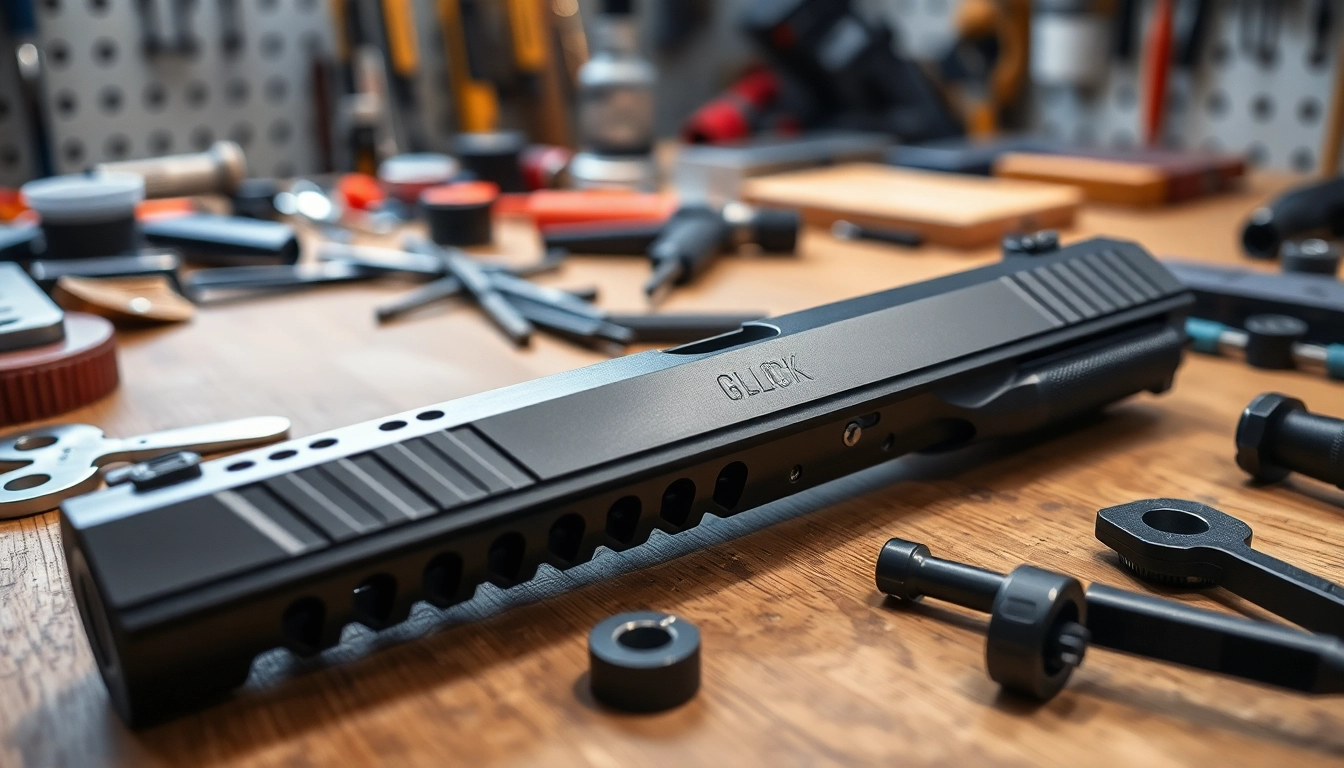
Understanding Glock Slide Basics
What is a Glock Slide?
The glock slide is a fundamental component of Glock handguns, functioning as the upper part of the firearm. This essential part houses crucial mechanisms, such as the firing pin and extractor, while also serving as a guide for loading and unloading ammunition. Understanding the significance and functionality of the slide is pivotal for both new and experienced Glock owners.
Key Components of a Glock Slide
A typical Glock slide comprises several key components that contribute to its overall performance and reliability. These parts include:
- Front and Rear Sights: These are crucial for aiming and precision shooting. Typically, a Glock slide will have slots for mounting various sight systems.
- Firing Pin Channel: This is where the firing pin travels to strike the primer of the cartridge upon firing.
- Extractor: Responsible for ejecting the spent casing after firing.
- Recoil Spring Assembly: This assembly helps absorb recoil and ensures the slide returns to its forward position after firing.
- Slide Stop Lever Cutouts: These facilitate the manual last round lock open function of the slide.
Each component plays a critical role in the performance and operation of the firearm, making it essential for users to understand their functions.
Different Types of Glock Slides
Glock slides come in various types, catering to different preferences and functionalities:
- OEM Slides: These are original equipment manufacturer slides directly from Glock. They offer reliable performance and are designed to fit specific models without modification.
- Aftermarket Slides: Produced by third-party manufacturers, these slides come with enhancements in terms of aesthetics, optics compatibility, and materials. They often feature custom designs that appeal to users looking for something unique.
- Lightweight Slides: Constructed from aluminum or other lightweight materials, these slides reduce overall weight, making them a popular choice for competitive shooters.
- Coated Slides: These slides come with various coatings such as DLC (Diamond-Like Carbon) or Cerakote, which enhance durability and aesthetic appeal while offering improved corrosion resistance.
Choosing the right type of slide depends on personal taste, purpose of use, and budget considerations.
Benefits of Upgrading Your Glock Slide
Improved Accuracy and Handling
One of the primary motivations for upgrading a Glock slide is the potential for enhanced accuracy and improved handling. Aftermarket options often boast advanced machining processes that improve tolerances and promote reliable functionality. Enhanced sights and the incorporation of an optics mounting plate can also aid in quick target acquisition. Consequently, shooters experience better alignment and aim, ultimately leading to more accurate shots.
Enhanced Aesthetics and Customization
Upgrading your Glock slide opens a world of customization opportunities. From tactical builds to sleek and stylish designs, the aftermarket industry offers a plethora of options tailored to every aesthetic preference.
Customization doesn't just stop at appearances; users can opt for different slide serration patterns and finishes, transform the profile, or even include proprietary features such as RMR cuts for red dot sights. Such enhancements not only provide functionality but also reflect the owner’s personality.
Increased Durability
Many aftermarket Glock slides are engineered with advanced materials and coatings that significantly enhance durability. This can be particularly beneficial for users who frequently engage in shooting or outdoor activities. Materials used, such as stainless steel with enhanced surface treatments, can withstand harsh conditions and significantly reduce wear and tear over time. Enhanced durability translates to longer lifespan and reliability of the firearm.
Choosing the Right Glock Slide for Your Needs
Aftermarket vs. OEM Glock Slide
When considering a Glock slide, one of the primary decisions will be whether to choose an aftermarket option or stick with an OEM slide. OEM slides guarantee a perfect fit and reliable performance, making them an excellent option for those who prioritize reliability over aesthetics.
On the other hand, aftermarket options allow more variety in design and features. If you're looking to improve aesthetic appeal or functionality, an aftermarket slide might be the best fit. Evaluate your needs, shooting preferences, and budget to make an informed choice.
Factors to Consider for Performance
Several factors influence the performance of a Glock slide:
- Weight: Consider lighter slides for competitive shooting or tactical applications.
- Material: Stainless steel for durability or aluminum for weight reduction.
- Finish: Choose finishes based on environmental considerations; for instance, if you frequently shoot in wet conditions, select a slide with enhanced corrosion resistance.
- Custom Features: Depending on your needs, look out for options to mount optics or custom sight cuts.
Each factor can significantly affect handling characteristics and shooting experience.
Best Practices for Selection
When selecting a Glock slide, follow these best practices:
- Research: Review online resources and community discussions to glean insights about specific brands and models.
- Test Fit: If possible, try to physically test different slides to see how they feel in your hands and on your Glock.
- Compatibility: Ensure that the slide you select is compatible with your specific Glock model and other accessories you plan to use.
- Seek Expert Advice: Don’t hesitate to consult with firearms professionals or experienced users for recommendations.
Making an informed decision can ensure your investment pays off in terms of performance and satisfaction.
Installation and Maintenance Tips
Tools Required for Installation
Whether upgrading or replacing a Glock slide, having the right tools is essential. Basic tools required for the installation process include:
- Punch Set: For removing pins and fittings without damaging the parts.
- Screwdriver Set: A small set of screwdrivers is useful for mounting and dismounting sights and other accessories.
- Armorer's Tool: This tool streamlines disassembly and reassembly tasks.
- Cleaning Supplies: Ensure all parts are clean before installation.
Step-by-Step Installation Guide
Follow these steps for a successful Glock slide installation:
- Ensure that the firearm is unloaded and safety protocols are observed.
- Remove the old slide by following the proper disassembly procedure. This usually involves removing the recoil spring and the barrel.
- Position the new slide onto the frame of the Glock and ensure proper alignment with the frame rails.
- Install any sights or optics according to the manufacturer's instructions.
- Reinstall the recoil spring and barrel securely.
- Function check to ensure everything operates correctly before firing.
Follow all manufacturer specifications for proper installation.
Routine Maintenance for Longevity
To maintain performance and longevity, it's crucial to engage in regular maintenance:
- Clean after Use: Regularly clean the slide and associated parts to prevent residue buildup from gunpowder and lubricants.
- Inspect Components: Regularly check parts for wear and tear and replace as necessary.
- Lubricate Often: Ensure that moving parts are adequately lubricated to prevent friction and jamming.
- Store Properly: Keep your Glock in a dry, climate-controlled environment to avoid corrosion.
A maintenance routine will greatly enhance the lifespan and reliability of your Glock slide.
Frequently Asked Questions about Glock Slide
Do you need a FFL to order a Glock slide?
No, you do not need a Federal Firearms License (FFL) to order a Glock slide as it is considered a part rather than a firearm.
Can I customize my Glock slide?
Yes, you can customize your Glock slide with aftermarket options like serration cuts, coatings, and optics mountings for a personalized touch.
What materials are best for Glock slides?
Stainless steel and aluminum are popular for their blend of durability, weight, and resistance to corrosion, making them ideal choices for slides.
How often should I replace my Glock slide?
Replace your Glock slide if you detect significant wear, damage, or if you're upgrading for enhanced functionality and aesthetics.
Will aftermarket Glock slides affect reliability?
Quality aftermarket Glock slides designed with precision can enhance, rather than diminish reliability, provided they fit correctly and are maintained well.