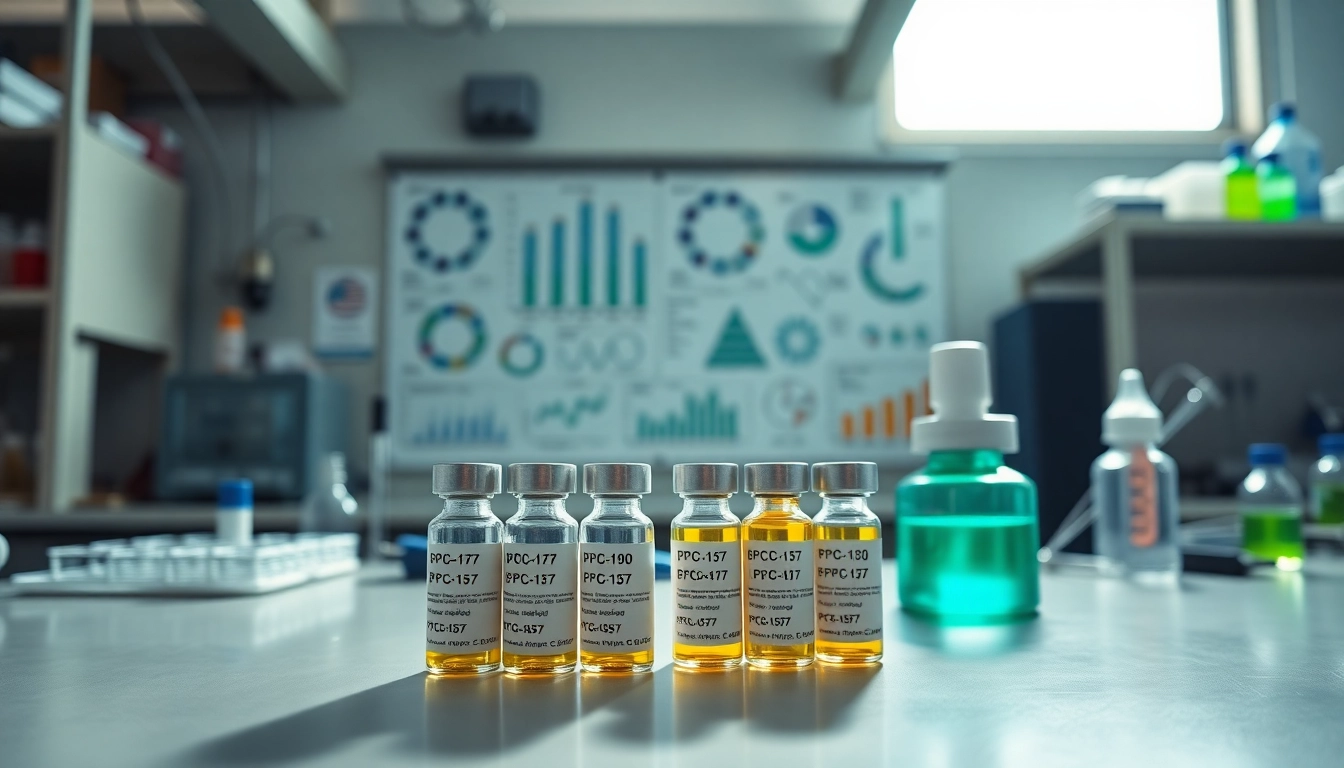
Introduction to Peptides and Their Uses
Peptides are short chains of amino acids that play a crucial role in biological processes. They are key components in many functions within the body, including hormone production, immune response, and cell signaling. Recently, peptides have gained attention in clinical and scientific research for their potential therapeutic applications, particularly in the realms of healing and recovery. As researchers delve into the properties of these molecules, one peptide that has emerged as particularly significant is BPC-157. This article explores BPC-157, its associated costs, benefits, and best practices for administration.
What Are Research Peptides?
Research peptides are specific sequences of amino acids that are synthesized for scientific study or experimental use. They often exhibit biological activity and can stimulate various physiological reactions. Unlike drugs, peptides usually have fewer side effects and may be employed for a range of applications, including weight loss, muscle building, and performance enhancement. BPC-157 is classified among these research peptides, primarily investigated for its regenerative properties.
Understanding BPC-157
BPC-157, or Body Protection Compound-157, is a peptide derived from gastric juice. It consists of 15 amino acids and has shown remarkable promise in accelerating healing and tissue repair. Initially researched for its application in healing muscle and tendon injuries, BPC-157 is believed to promote angiogenesis—the formation of new blood vessels—which is essential for healing damaged tissues. Moreover, it has been associated with pain relief and reduced inflammation, making it an appealing option in both medical research and applications.
The Role of Peptides in Medicine
Peptides have begun to reshape the landscape of modern medicine. Their targeted action and the ability to replicate natural biological processes make them invaluable. Research is ongoing into using peptides for conditions ranging from metabolic disorders to age-related degenerative diseases. In the context of regenerative medicine, peptides like BPC-157 show the potential to treat various injuries and diseases more effectively than traditional treatments. With advances in peptide synthesis and delivery methods, their use in therapeutic settings is likely to expand in the coming years.
Market Overview of BPC-157
The market for BPC-157 reflects its growing interest among researchers and healthcare practitioners. As a peptide that has been recognized for its healing capabilities, understanding its cost dynamics is critical for people considering its use for research or therapeutic purposes. Many factors influence the pricing of BPC-157, each contributing to the variance in cost you might encounter as you consider the how much does bpc 157 cost.
Cost Factors in Peptide Pricing
Understanding the cost of BPC-157 requires comprehension of several factors that influence peptide pricing. The primary factors include:
- Synthetic Complexity: The more complex the peptide, the higher the cost of synthesis. BPC-157, being a relatively simple peptide, tends to be more affordable.
- Purity and Quality: Higher purity levels correspond to higher prices. Peptides must be tested for purity and potency to ensure safety and efficacy, directly impacting cost.
- Supplier Reputation: Established suppliers often charge a premium for their products due to their reliability and quality assurance processes.
- Volume of Purchase: Generally, bulk purchasing can lead to lower per-unit costs, making it more economical for research institutions.
- Market Demand: Increased research interest in BPC-157 can influence its price, especially if more studies validate its potential benefits.
Comparative Analysis of BPC-157 Costs
A comparative analysis of BPC-157 costs reveals significant variation depending on the sales channel and quality assessment. On average, BPC-157 may be priced between $30 to $100 per vial, but market fluctuations can impact this price range. When considering suppliers, it is essential to check for licensing and compliance with regulatory bodies to ensure you are purchasing high-quality products. Additionally, contrasting online research sources may yield different pricing strategies and offer insights into current market trends.
Impact of Quality on Price
Quality is a critical determinant when it comes to BPC-157 pricing. Peptides must undergo meticulous quality control processes to ensure they meet necessary safety and efficacy standards. Lower-cost products may originate from manufacturers that do not prioritize stringent quality measures, which can result in ineffective or unsafe formulations. Investing in higher-quality BPC-157 often translates to better health outcomes and safety, making it a worthwhile consideration in the long run.
Potential Benefits of BPC-157
The potential benefits of BPC-157 have been the subject of various studies, showcasing its promise in a range of applications, predominantly within the fields of injury recovery and healing. Understanding these benefits is key for anyone evaluating the peptide for research applications.
Healing Properties Highlighted
BPC-157's healing properties are perhaps its most compelling aspect. Research has indicated that it can expedite the healing of muscle, tendon, and ligament injuries by promoting cellular repair. For instance, experiments have demonstrated that BPC-157 can significantly enhance the healing rates of tendons that have been surgically repaired. Moreover, its role in reducing scar tissue formation can be crucial to recovery, allowing for a more successful return to pre-injury function.
How BPC-157 Supports Recovery
BPC-157’s contribution to recovery is multifaceted. It has been noted to possess anti-inflammatory effects, which play a central role in alleviating pain and swelling associated with injuries. Additionally, it enhances the production of growth factors like VEGF (vascular endothelial growth factor), which aids in new blood vessel formation, providing essential nutrients to the damaged site. Many athletes and physically active individuals have begun to recognize the benefits of incorporating BPC-157 into recovery protocols as it may promote faster rehabilitation periods, enhance performance, and reduce the risk of re-injury.
Research Backing for BPC-157 Efficacy
Numerous studies have explored BPC-157’s therapeutic effects, providing a growing body of evidence supportive of its efficacy. Animal models, in particular, have been utilized to demonstrate its effectiveness in treating diverse types of injuries and health concerns, showcasing not only accelerated healing times but also improved overall recovery outcomes. As more clinical trials emerge, the future of BPC-157 may well depend on solidifying this data in human applications, ultimately paving the way for its acceptance in more standardized medical treatments.
Administering BPC-157: Best Practices
Proper administration of BPC-157 can significantly optimize its benefits and enhance safety. Individuals seeking to utilize this peptide should familiarize themselves with effective methods, dosing guidelines, and timing considerations.
Methods of Administration
BPC-157 is primarily administered via subcutaneous injection—delivering the peptide beneath the skin to facilitate local absorption. Due to its stability in this form, it remains effective in promoting rapid healing. Programs may also explore intramuscular injections for targeted therapeutic effects in muscle injuries, although the regular use of injections necessitates proper sterile technique to avoid complications.
Dosing Guidelines
While specific dosing protocols may vary, a general guideline suggests starting doses within the range of 200-500 micrograms per injection, varying depending on the injury’s severity and patient response. Many users report injections taken once or twice daily during the acute phase of recovery, gradually tapering off as healing progresses. However, consulting with a healthcare provider experienced in peptide therapy is imperative to customize dosing effectively.
Timing and Frequency Considerations
For optimal results, timing and frequency of administration are vital. Administering BPC-157 in conjunction with physical therapy or rehabilitation sessions may enhance therapeutic outcomes. Typically, users report improved results with continuous daily dosing across critical recovery windows, which can vary based on injury and individual healing processes. Protocols may be adjusted based on feedback and response, ensuring that recovery is both safe and effective.
Frequently Asked Questions About BPC-157
The average cost of BPC-157?
The average cost of BPC-157 typically ranges depending on the supplier and quality, averaging $30-$100 per vial.
Is BPC-157 legal to purchase?
Yes, BPC-157 is legal to purchase for research purposes but may be restricted for human consumption in some areas.
How is BPC-157 often administered?
BPC-157 is commonly administered via subcutaneous injection, with proper dosage varying based on individual needs.
What are the side effects of BPC-157?
Generally, BPC-157 is well-tolerated, but potential side effects may include injection site irritation or allergic reactions.
Can BPC-157 be combined with other peptides?
Yes, BPC-157 can be combined with other peptides in certain regeneration protocols, but consult a healthcare professional.