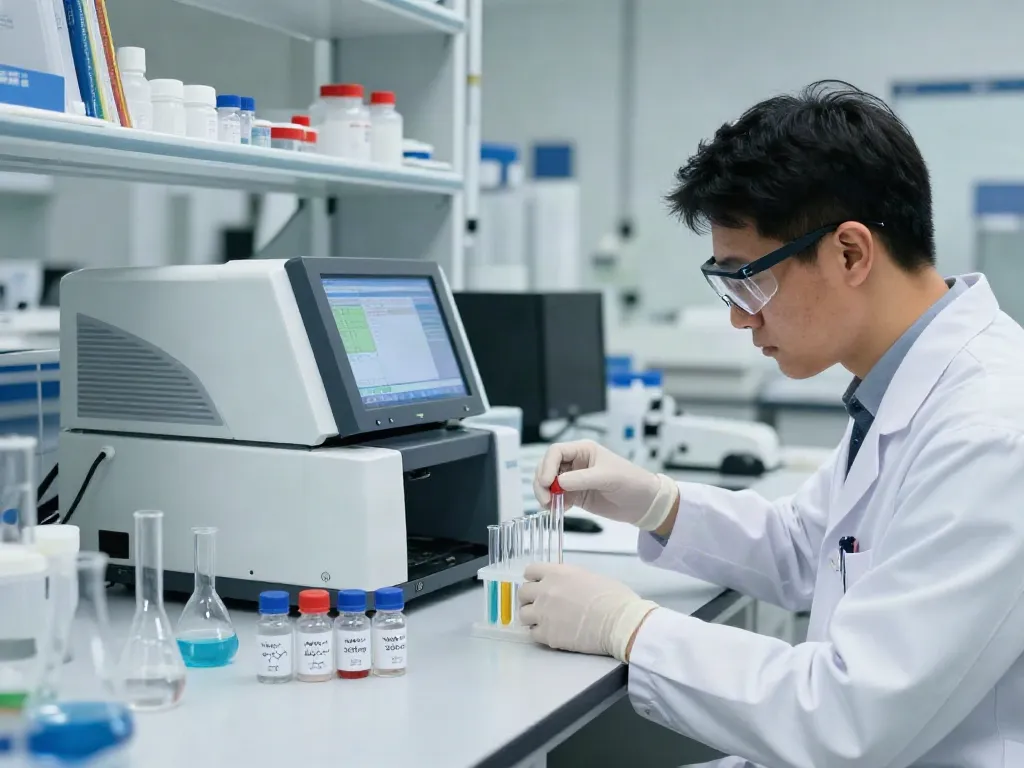
Understanding NAD+ Peptide and Its Role in Research
Nicotinamide Adenine Dinucleotide (NAD+) is a coenzyme present in all living cells, crucial for various biological processes, including energy metabolism, DNA repair, and cell signaling. In recent years, NAD+ peptides have gained significant attention in the realm of scientific research, particularly within the fields of bioenergetics and regenerative medicine. As researchers strive to understand the mechanisms behind cellular functions and metabolic pathways, the role of NAD+ has become increasingly pertinent. For further insights, you might explore the nad+ peptide available through specialized suppliers.
What is NAD+ Peptide?
NAD+ peptide refers to the bioactive form of NAD+ that plays a pivotal role in enzymatic reactions and cellular metabolism. This compound acts as a co-substrate for various enzymes, particularly those involved in redox reactions, thus facilitating the conversion of nutrients into energy. In the context of research, NAD+ peptides are synthesized and purified to ensure the highest quality, making them suitable for various laboratory applications, including in-vitro studies and tissue analysis protocols. Understanding the structure and function of NAD+ is essential for researchers aiming to unlock its full potential in health and performance enhancement.
Significance of NAD+ in Cellular Functions
NAD+ is often referred to as the "molecular fuel" of life due to its crucial role in sustaining cellular functions. It is involved in metabolic pathways that produce adenosine triphosphate (ATP), the primary energy currency of the cell. Furthermore, NAD+ plays a key role in the regulation of cellular signaling processes and the maintenance of mitochondrial integrity. Elevated levels of NAD+ have been linked to improved cellular health and longevity, making it a focal point in anti-aging research and therapies aimed at combating age-related diseases.
Current Research Trends Focused on NAD+
The increasing scientific interest in NAD+ peptides has sparked numerous research initiatives aimed at exploring their potential applications. Studies are investigating how NAD+ influences metabolic rates, glucose metabolism, and even neurodegeneration. Research is also focusing on the therapeutic potential of NAD+ in various conditions, including obesity, metabolic syndrome, and neurodegenerative diseases. As a result, NAD+ has emerged as a promising target for innovative treatments, emphasizing its significance in both basic and applied research.
Applications of NAD+ Peptide in Scientific Studies
Exploring NAD+ in Metabolic Research
The interplay between NAD+ and metabolic pathways is a cornerstone of metabolic research. NAD+ has been shown to regulate key metabolic enzymes, influencing processes such as glycolysis, the tricarboxylic acid cycle, and oxidative phosphorylation. Research into NAD+ metabolism is expanding, focusing on how fluctuations in NAD+ levels can affect overall metabolic health, weight management, and energy efficiency in cells. This research has profound implications for developing strategies to address metabolic disorders and obesity.
Impact of NAD+ on Longevity Studies
Longevity research has increasingly recognized the importance of NAD+ as a determinant of cellular aging and lifespan. Studies have demonstrated that enhancing NAD+ levels can activate sirtuins, a family of proteins implicated in the regulation of lifespan and age-related diseases. These findings suggest that NAD+ not only has a role in extending longevity but also in improving healthspan – the period of life spent in good health. Current investigations are examining how NAD+ supplementation can counteract age-induced declines in metabolic functions.
Role of NAD+ in Mitochondrial Activity Research
Mitochondria, the powerhouses of the cell, depend heavily on NAD+ for their functioning and efficiency. Research has shown that NAD+ plays a critical role in mitochondrial biogenesis and dynamics, influencing energy production and the overall metabolic health of cells. Thus, NAD+ peptides are being studied for their potential to enhance mitochondrial function, particularly in the context of age-related mitochondrial decline and metabolic syndromes.
Purity and Testing Standards for NAD+ Peptide
Importance of High-Performance Liquid Chromatography (HPLC)
Quality assurance of research compounds is vital to obtaining reliable and reproducible results. HPLC is a critical analytical technique used to assess the purity and concentration of NAD+ peptides. This method separates compounds based on their chemical properties and provides precise measurements, ensuring that only the highest quality NAD+ peptides are utilized in research settings.
Mass Spectrometry in Verifying Purity
Mass spectrometry complements HPLC by providing detailed insights into the molecular composition and structure of NAD+ peptides. This technique can accurately detect impurities that may not be visible through HPLC alone, thereby ensuring that researchers work with authentic and uncontaminated compounds. This rigorous testing is essential for maintaining the integrity of scientific studies, particularly in high-stakes research involving cellular mechanisms.
Ensuring Authenticity in Research Compounds
The authenticity of NAD+ peptides is a non-negotiable factor in research integrity. Through a combination of HPLC and mass spectrometry, suppliers can provide certificates of analysis that confirm the identity, purity, and concentration of their products. This transparency allows researchers to make informed decisions and ensures that the results derived from experiments are credible and reliable.
Best Practices for Working with NAD+ Peptide
Handling and Storage Recommendations
Proper handling and storage of NAD+ peptides are critical to maintaining their efficacy. It is advisable to store these compounds in a cool, dark environment, ideally at temperatures between -20°C and -80°C, to prevent degradation. Additionally, minimize exposure to moisture and air by using airtight containers. Following these guidelines helps ensure that the NAD+ peptides retain their potency for experimental use.
Integrating NAD+ into Experimental Protocols
Incorporating NAD+ peptides into experimental protocols requires careful consideration of dosage and timing. Researchers should adhere to established guidelines and adjust dosages based on the specific needs of their experiments. Furthermore, understanding the interaction between NAD+ levels and other metabolic compounds can enhance the effectiveness of experimental designs, leading to more insightful results.
Common Misconceptions About NAD+
Despite the increasing body of research surrounding NAD+, several misconceptions persist. A common belief is that NAD+ supplementation can directly translate into immediate health benefits; however, the efficacy of NAD+ peptides largely depends on the context of their use and the individual’s metabolic state. It is essential for researchers to maintain a nuanced understanding of NAD+ and its multifaceted role in cellular physiology to avoid overgeneralizations.
Future Perspectives on NAD+ Peptide Research
Emerging Trends and Innovations in 2026
The landscape of NAD+ peptide research is rapidly evolving, with new trends emerging in 2026. One significant trend is the increasing investigation into NAD+ as a therapeutic agent for non-alcoholic fatty liver disease (NAFLD) and other metabolic disorders. Additionally, advancements in peptide synthesis technology are making it easier for researchers to obtain high-quality NAD+ peptides tailored for specific experimental applications.
Potential Breakthroughs in NAD+ Applications
As research progresses, potential breakthroughs may redefine the applications of NAD+ in medical science. Continuous studies are exploring its role in neuroprotection and cognitive health, paving the way for novel therapeutic strategies targeting neurodegenerative diseases. Moreover, the exploration of NAD+ in the context of cellular senescence and tissue regeneration holds the promise of groundbreaking interventions in aging and metabolic health.
Expert Insights on Future Research Directions
Leading experts in the field emphasize the need for collaboration between basic science and clinical research to fully harness the potential of NAD+ peptides. By iterating on current findings and sharing insights across disciplines, researchers can accelerate the translation of NAD+ science into practical applications. Continued exploration into the biochemical pathways associated with NAD+ will likely yield significant insights into enhancing health and longevity.
What do NAD peptides do for you?
NAD peptides are considered crucial for cellular health, aiding in energy production and cellular repair processes. They influence metabolic functions, enhance mitochondrial activity, and may contribute to longevity, making them a key area of interest for both researchers and health enthusiasts alike.
Why do I feel so good on NAD?
Many users report improved energy levels, cognitive function, and overall well-being when utilizing NAD+ supplements. This heightened sense of vitality is often attributed to NAD+'s critical role in facilitating energy production and reducing oxidative stress at the cellular level.
What happens when you take NAD+ every day?
Regular intake of NAD+ can support enhanced metabolic processes, but individuals may experience different effects based on their unique biochemistry. Daily supplementation could contribute to improved cellular health, but it's crucial to consult with a healthcare professional before beginning any new supplement regimen.
What is the downside of taking NAD+?
While the benefits of NAD+ supplementation are well-documented, potential downsides could include fluctuations in energy levels and mood, especially if the body is not accustomed to higher concentrations. As with any supplement, moderation and proper dosing are key to mitigating risks.
How is NAD+ peptide administered in research?
NAD+ peptides are typically administered through injection or infusion protocols in controlled laboratory settings. This method ensures that the compound is delivered efficiently, allowing for accurate assessment of its effects on cellular processes.