Understanding the Essentials of Pop Overs
Popovers are a delightful treat that has become a staple in many kitchens around the world. Their airy, light texture and unique ability to puff up beautifully in the oven make them a favorite for both cooking enthusiasts and casual bakers alike. Understanding how to master popovers not only enhances your culinary repertoire but also allows you to impress guests at your next gathering. When exploring options, pop over here for comprehensive insights into making these delicious pastries.
What Are Pop Overs and Their Origins?
Popovers are a type of light roll or pastry that originated in the United States in the mid-19th century. They are similar to Yorkshire pudding but are typically baked in a special popover pan, giving them their characteristic tall, puffy shape. The batter consists mainly of eggs, flour, milk, and salt, which combine to create a custardy texture once baked. Their name derives from the way they "pop" over the edge of the pan during baking.
Core Ingredients for Delicious Pop Overs
- Flour: All-purpose flour is the most common choice, but some recipes may incorporate whole wheat flour for a nuttier flavor.
- Eggs: The eggs help to create structure and moisture, essential for achieving that perfect puff.
- Milk: Whole milk or milk substitutes provide richness and necessary liquid for the batter.
- Salt: Enhances the overall flavor of the popovers.
- Butter: Typically melted and brushed onto the pans, butter contributes to a golden exterior.
The Science Behind Perfecting the Texture
The texture of a popover is mainly influenced by the steam that forms during baking. As the batter heats up in the oven, the moisture from the eggs and milk turns into steam, causing the batter to rise and "pop" over the sides of the pan. Understanding the importance of ingredient ratios and proper baking techniques will help ensure that your popovers achieve that elusive lightness.
Common Mistakes When Making Pop Overs
Ignoring Ingredient Temperatures
Using cold ingredients can hinder the formation of steam necessary for rising. Always ensure your eggs and milk are at room temperature before mixing.
Overmixing the Batter
While it's important to combine ingredients well, overmixing can lead to dense popovers. Mix just until the ingredients are incorporated.
Neglecting the Oven Temperature
Popovers require a hot oven to rise properly. Preheat your oven to at least 425°F (220°C) before placing your popover pan inside.
Best Practices for Baking Flawless Pop Overs
Proper Equipment Needed for Success
To achieve perfect popovers, invest in a high-quality popover pan. These pans are designed to encourage optimal heat circulation, allowing the popovers to rise evenly.
Step-by-Step Guide to Mixing and Baking
- Preheat your oven to 425°F (220°C).
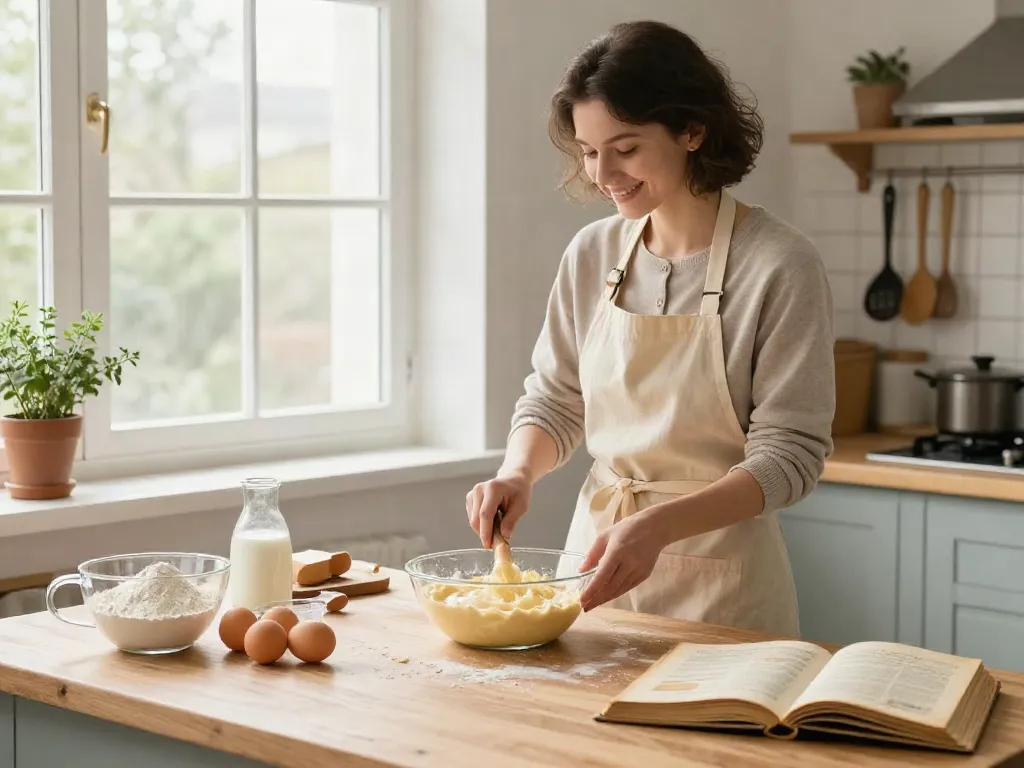
- Whisk together eggs, milk, and melted butter in a bowl until well combined.
- Sift the flour and salt together, then gradually add to the wet mixture, mixing gently until just blended.
- Grease the popover pan with butter and fill each cup about halfway with batter.
- Bake for 20-25 minutes without opening the oven door to let steam escape.
Cooling and Serving Tips for Maximum Flavor
Once baked, popovers should be served immediately while still warm. They can be enjoyed plain or filled with sweet or savory mixtures, like whipped cream or cheese. To store any leftovers, place them in an airtight container and reheat in the oven for best texture.
Real-Life Examples of Perfect Pop Over Recipes
Chef-Approved Pop Over Variations
Many chefs have developed their unique spins on classic popovers. For instance, adding herbs or cheese to the batter can create a delightful flavor profile that complements a variety of meals.
Case Studies of Successful Home Bakers
Many home bakers have shared their stories of success using different techniques and ingredient combinations to achieve the ideal popover. These insights can serve as inspiration and practical guidance.
Adapting Recipes for Dietary Preferences
With the rise of dietary restrictions, many bakers are looking for alternatives. Gluten-free flour blends can replace traditional flour, while almond milk can be used for lactose-free options without compromising the deliciousness of popovers.
Future Trends in Pop Over Recipes for 2026
Innovative Ingredients and Flavor Combinations
As culinary trends evolve, so do popover recipes. Expect to see more innovative ingredients like avocado or matcha being incorporated into traditional recipes for a modern twist.
Health-Conscious Alternatives for Classic Recipes
Health-conscious alternatives, such as replacing some of the flour with pureed vegetables or using egg substitutes, are anticipated to gain popularity as consumers become more health-focused.
Predictions for Pop Over Popularity in Culinary Circles
Popovers are set to experience a renaissance in 2026 as more cooks explore their versatility, whether for elegant brunches, dinner parties, or casual family meals.
What Does "Pop Over" Mean in Different Contexts?
In culinary terms, "pop over" strictly refers to the pastry; however, it can also mean visiting someone briefly. Understanding the context is key for both cooking and social interactions.
Can You Reheat Pop Overs Effectively?
Yes, reheating popovers can be done effectively by placing them in a preheated oven for about 5-10 minutes, restoring their crispy exterior and airy interior.
What Are the Best Fillings for Pop Overs?
Sweet fillings like fruit compotes or savory options like cheeses and meats can elevate popovers to a new level, making them perfect for any occasion.
How to Store Leftover Pop Overs Properly?
To maintain their texture, store leftover popovers in a paper bag at room temperature. Avoid sealing them in plastic, which can make them soggy.